1800
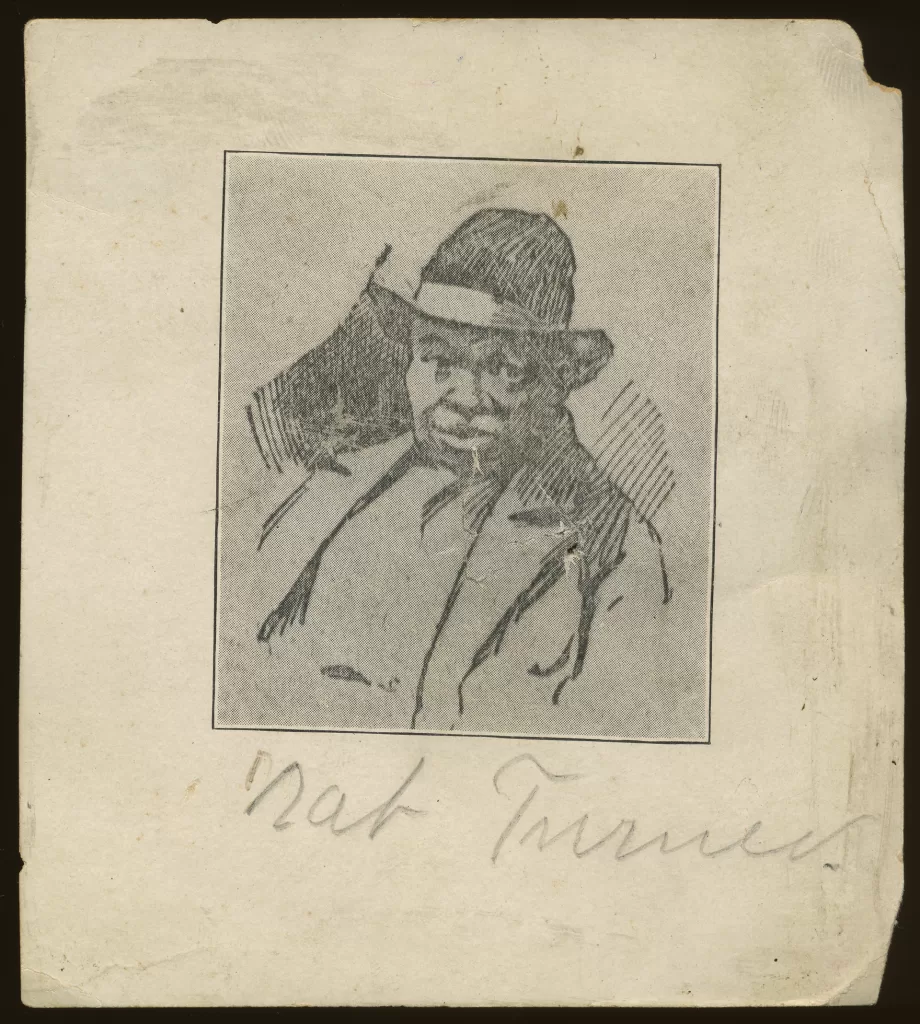
3 October 1800
Nat Turner was born enslaved on Benjamin Turner’s farm.
1822
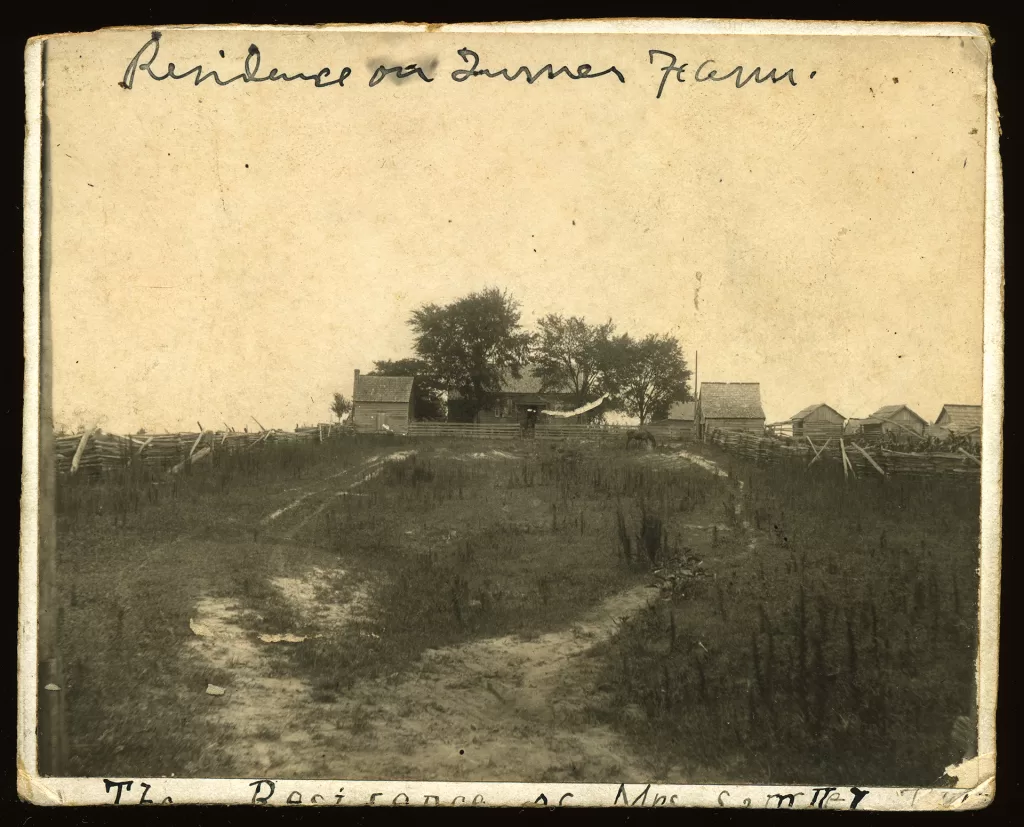
1822
Samuel G. Turner is killed by a falling limb. His estate sells Nat Turner to Thomas Moore. The purchase price is $450. At the same time, Nat Turner’s wife and their two children were sold to Giles Reece.
1827
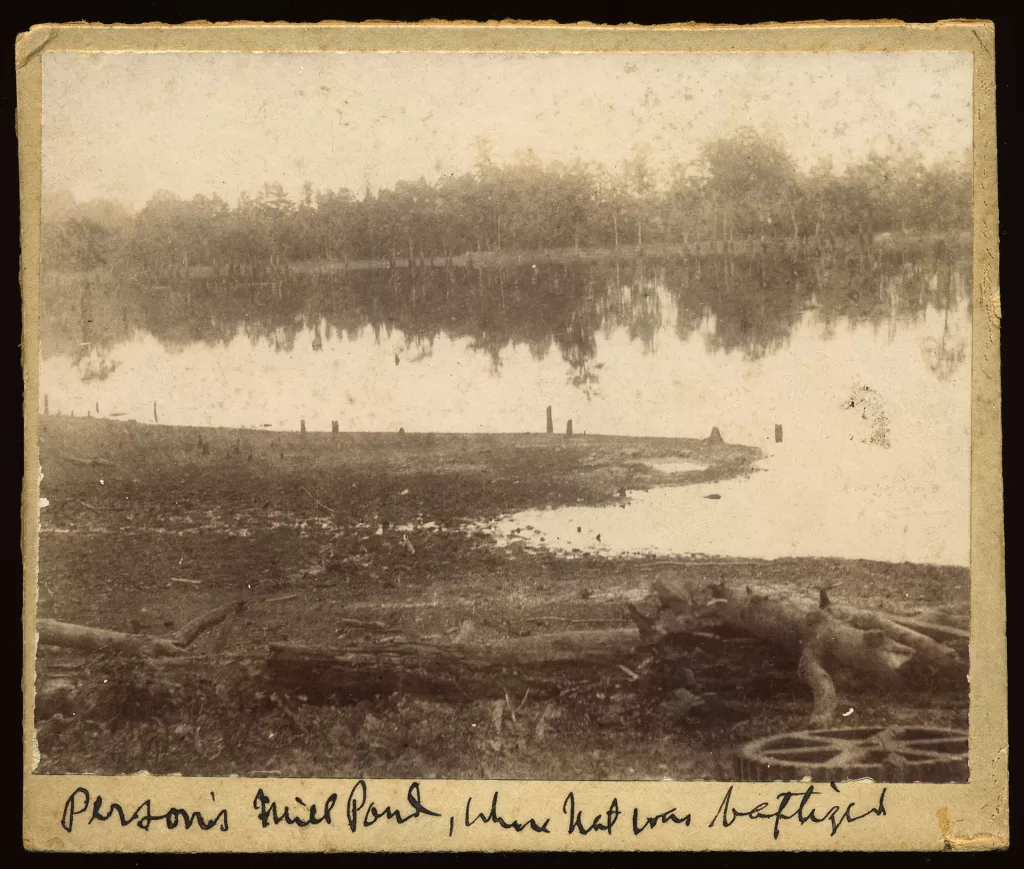
May 12 1827
Nat Turner baptized himself and a ‘wicked’ white man Ethelred T. Brantley. Brantley is somehow related to either Sally Francis Moore or Luvenia Francis.
1831
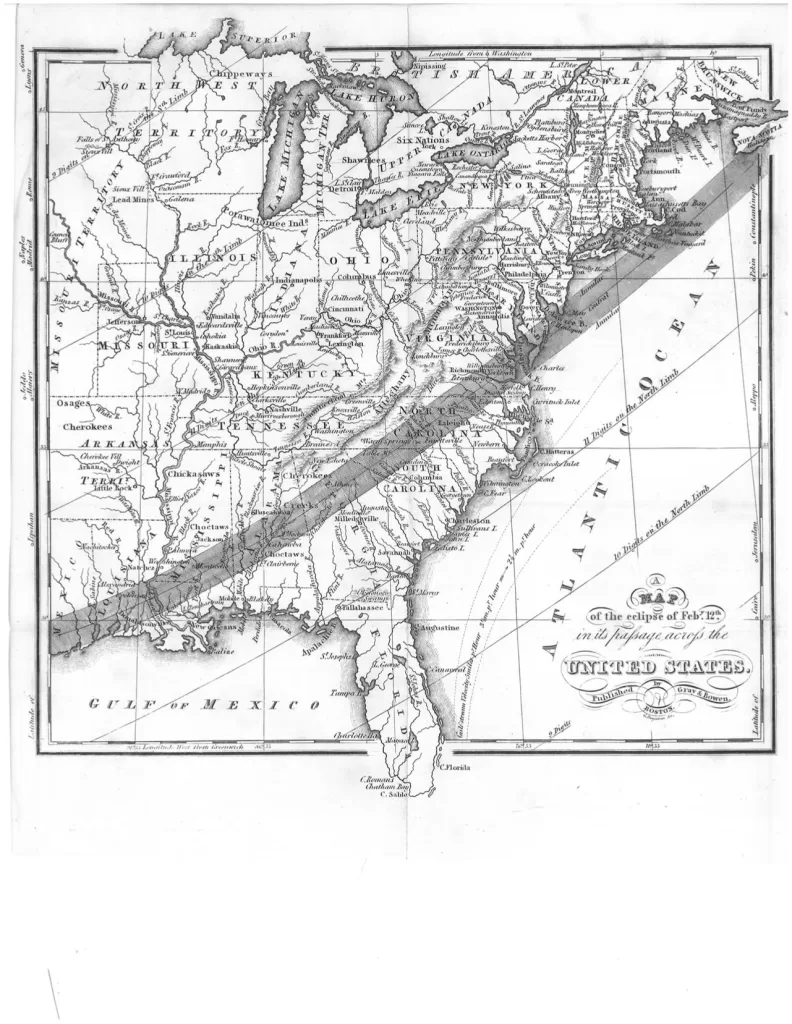
February 12 1831
An eclipse of the sun was witnessed by Nat Turner. The duration of the eclipse was 1 hour 57 minutes. Turner believes this to be a sign ‘from heaven’ to begin an insurrection.
1831
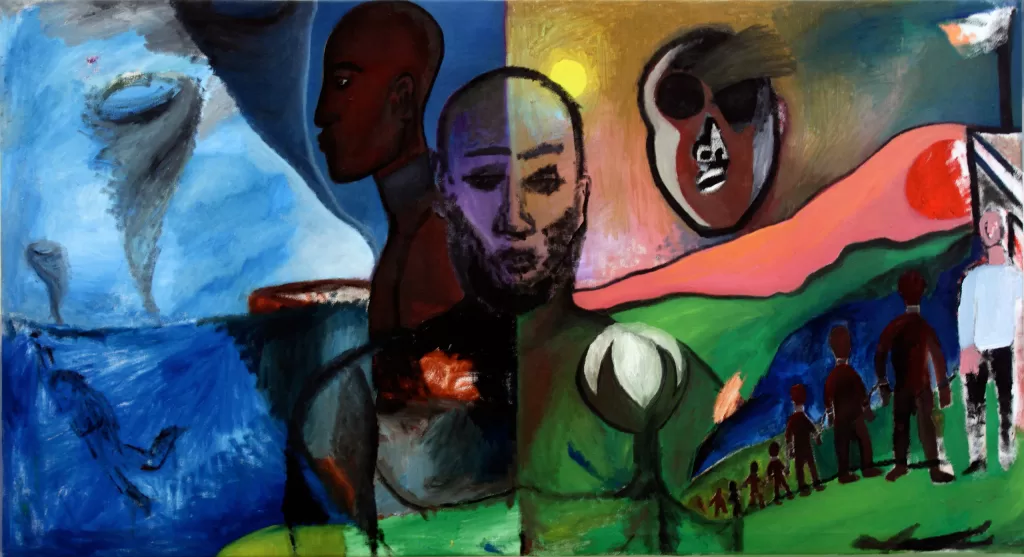
August 13 1831
A day-long atmospheric phenomenon occurred, during which the sun turned bluish-green. Turner believed that this was another sign from God and began to plan his revolt.
1831
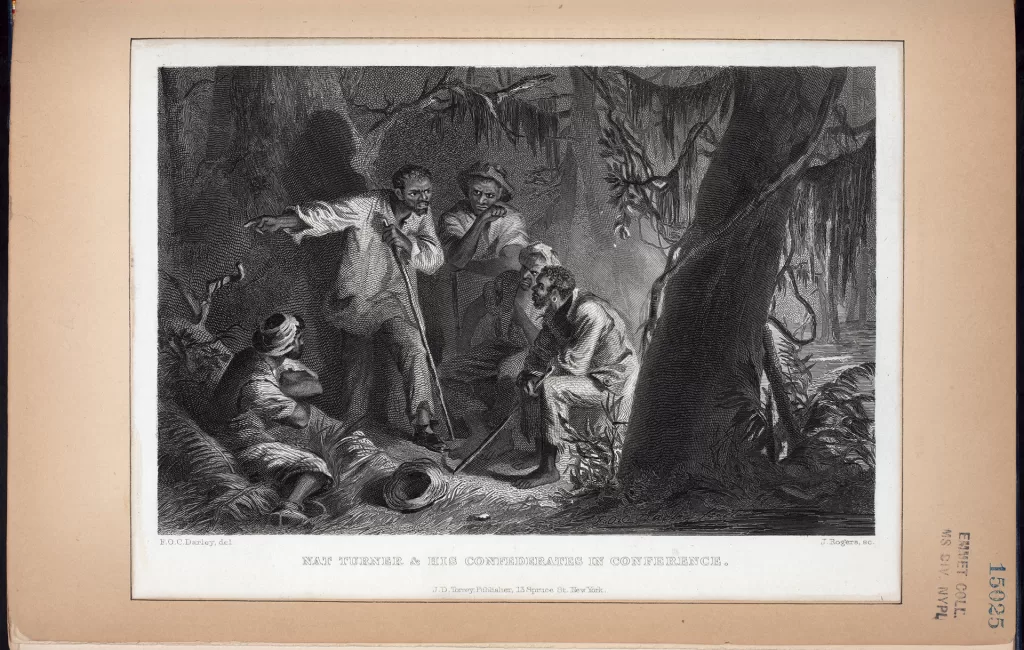
August 21 1831 – Midday
Hark, Henry, Nelson, Sam, Jack, and Will assemble on an
island in the midst of a reptile-invested swamp near Cabin
Pond. There they made a fire to cook a shoat (young pig) and sweet potatoes while drinking brandy awaiting the arrival of Nat Turner.
1831
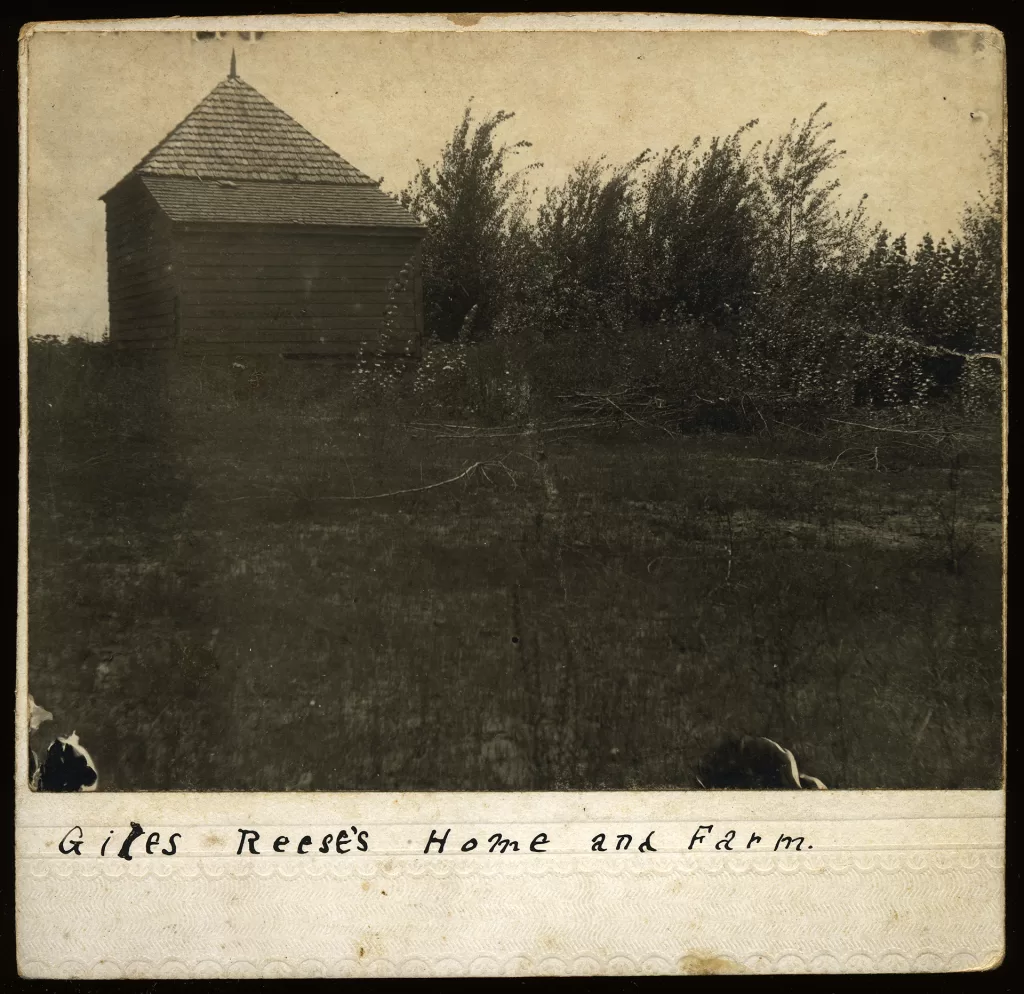
August 21 1831 – 10:25 PM
Turner passes by the house of Giles Reese and his family.
His wife and children are enslaved there so he does not attack this farm.
1831
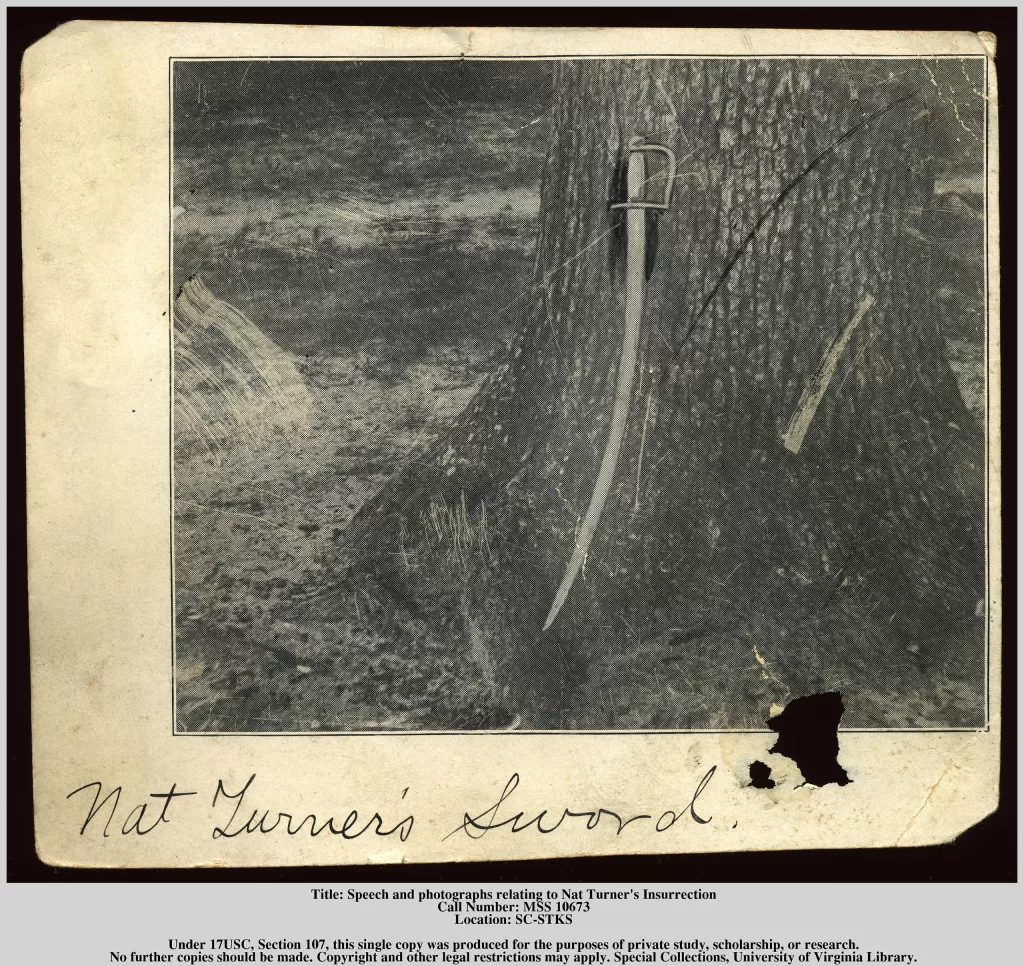
August 22 1831 – 12:00 AM
Nat Turner, using Captain Thomas Moore’s sword, trains his men in military drill using old muskets and fowling pieces found within the Travis House.
1831
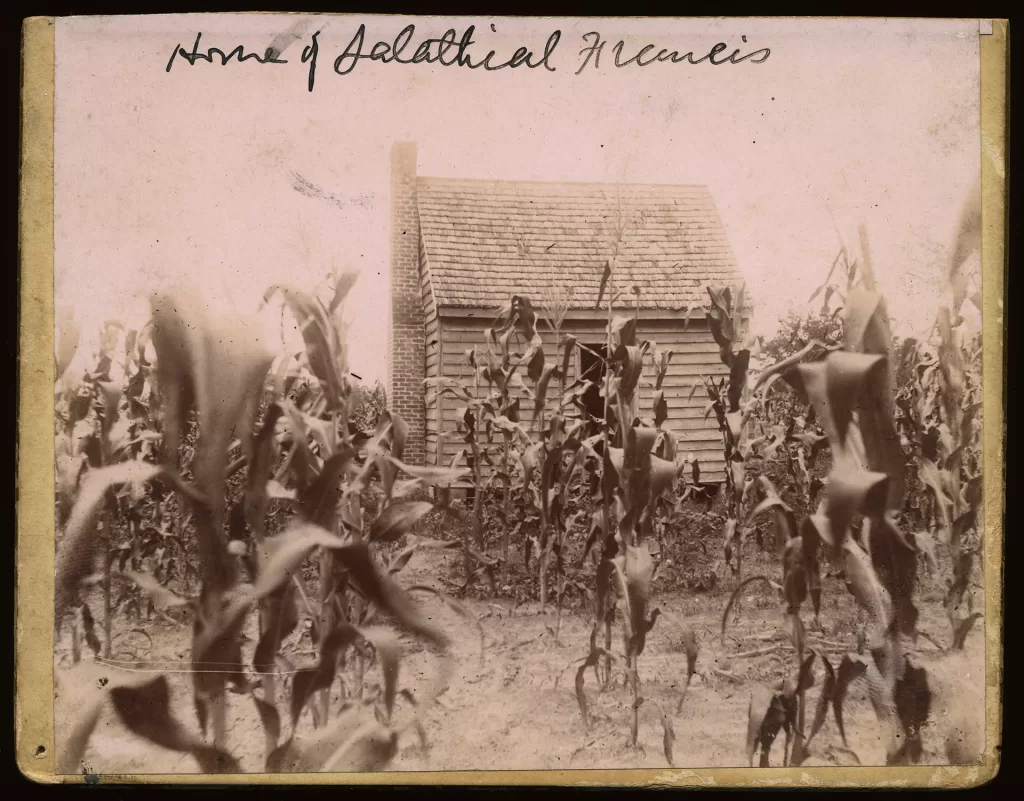
August 22 1831 – 3:00 AM
Group reaches the home of Salathiel Francis, when they kill him and shoot at his slave as he escapes.
1831
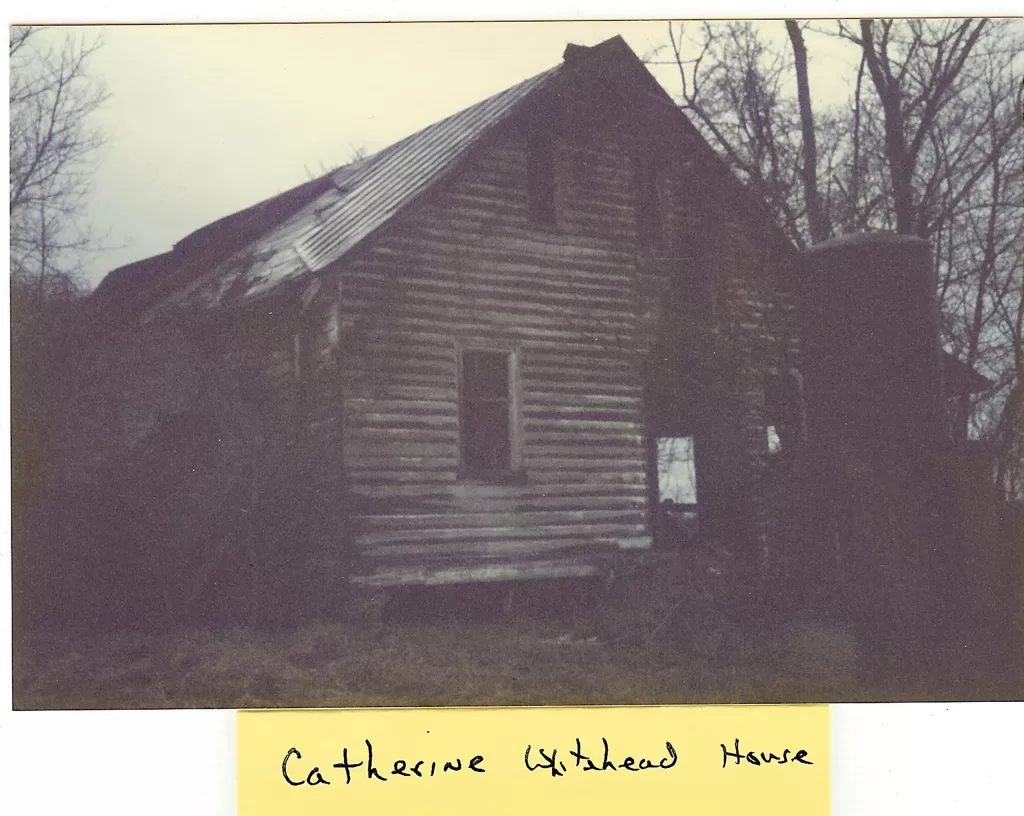
August 22 1831 – 5:45 AM
Turner divides his command. Hark and six infantrymen head to the Henry Bryant House and Turner with nine men on horses go to the Catherine Whitehead House.
Turner and his men arrived at Mrs. Catherine Whitehead’s
farm where they killed her, her mother, her son (Richard), four
daughters, and one grandchild. One daughter escaped into the ‘swamp.’ Turner later admitted that it was at the Whitehead house where he killed his only victim, Margaret Whitehead,
with a fence rail. Harriet Whitehead was the only survivor,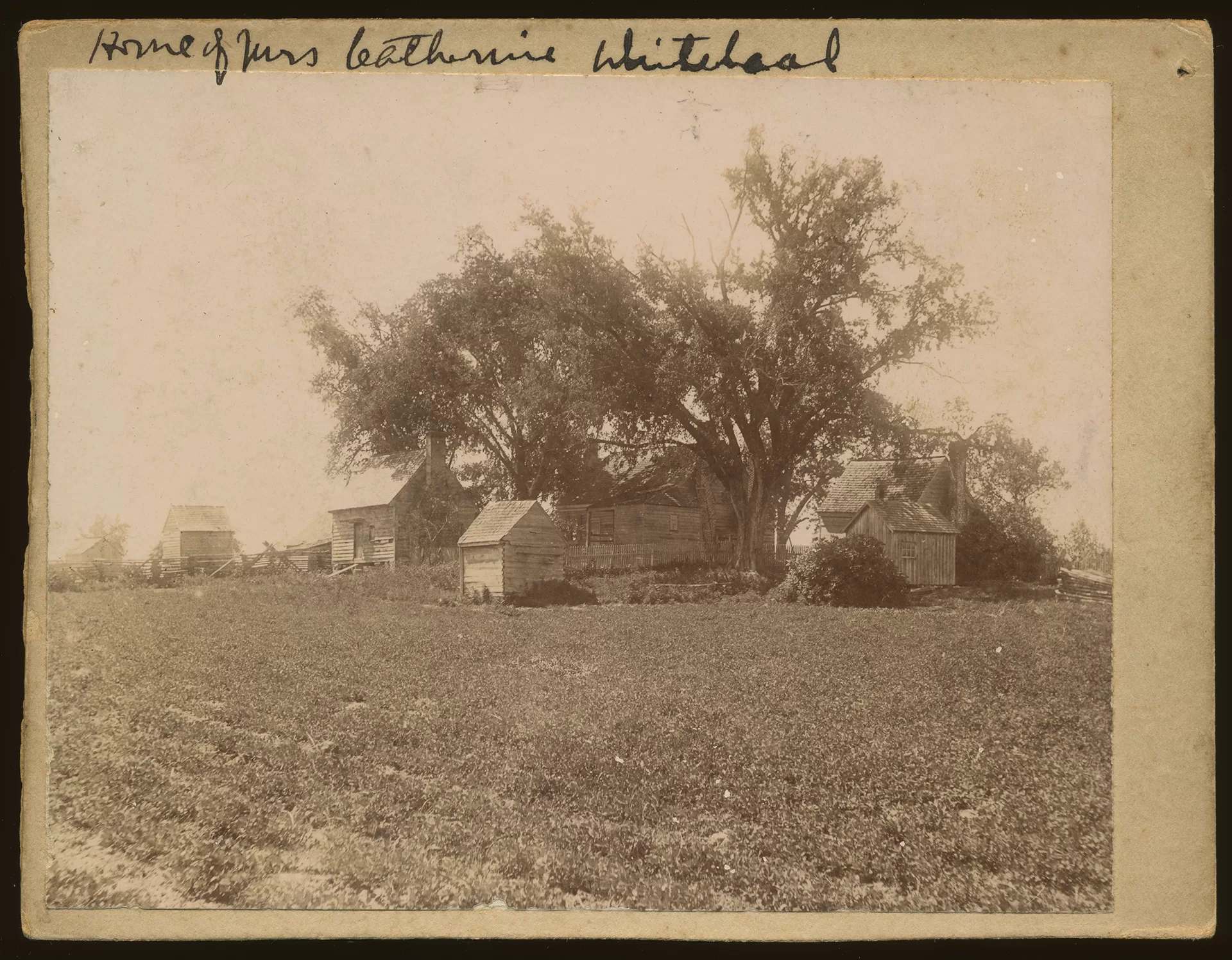
About this time Hark and his men arrived after killing Henry
Bryant and his family. Nat Turner then confirmed that the
infantry would go to the Howell Harris and Trajan Doyle
houses and Nat and the cavalry would head toward the Porter and Francis houses.
1831
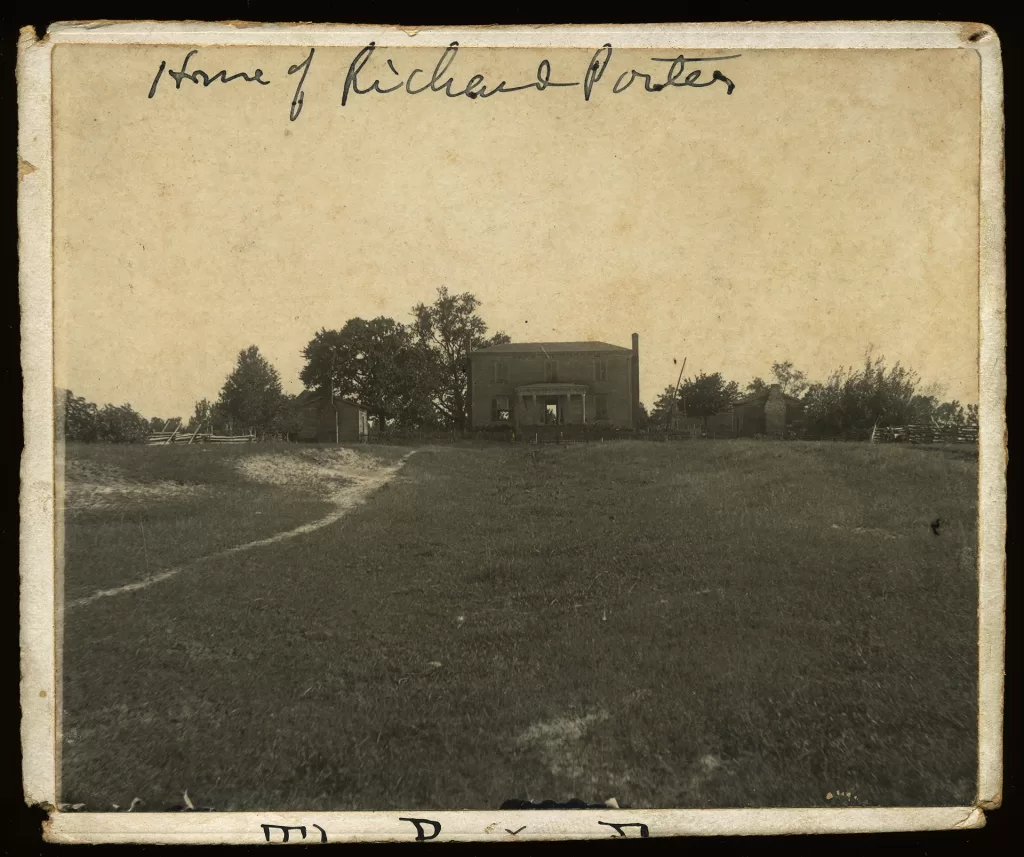
August 22 1831 – 5:00 AM
Part of the group went on to Richard Porter’s house. The
Porter Family had already fled.
1831
August 22 1831 – 6:10 AM
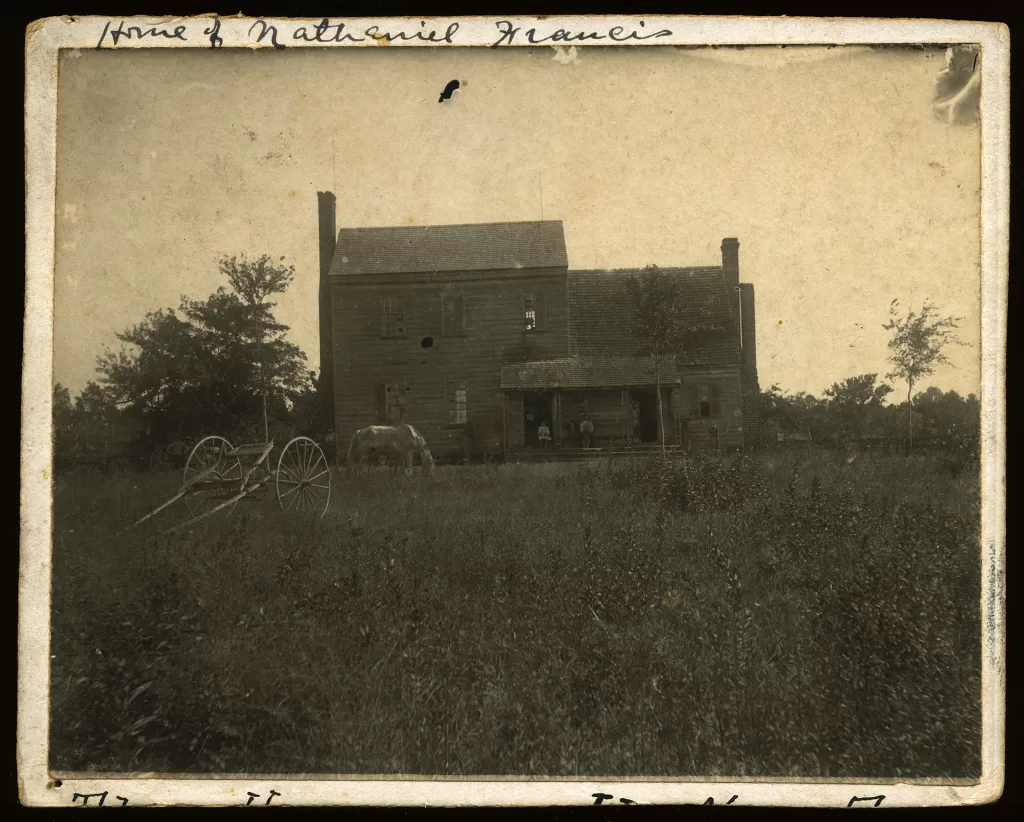
Nathaniel Francis had heard from a young enslaved boy from the Travis Farm, who said, in an excited, stammering manner, “Some folks, some folks have killed all of the white folks.” Francis rides off to his sister Sally Travis’s home to ascertain what was wrong. Their mother soon followed a different path to her daughter’s house.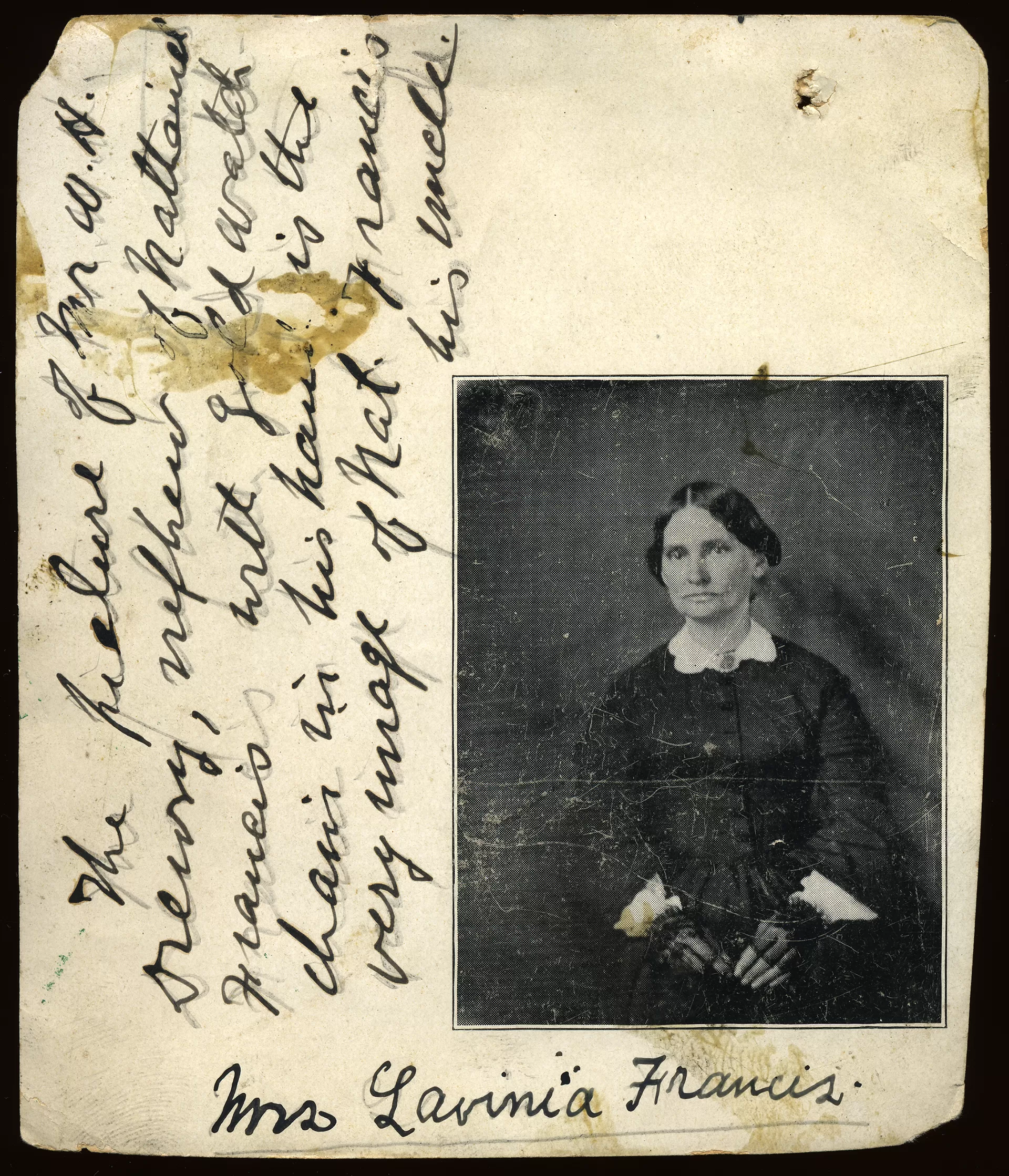
A section of Turner’s command arrived at the Nathaniel
Francis house. They immediately killed the overseer, Henry Doyle, and Mr. Francis’s two young nephews. Francis and his mother went into the house seeking Luvenia Francis. One of the family’s servants, Nelson, hid her in an upstairs cubby.
Many enslaved people like Nelson were faced with difficult decisions when the insurrectionists raided various homes on the morning of 22 August. Should they join the insurrection or stay loyal to their enslavers? Nelson decided to remain loyal and try to protect the Francis family. Many other bondsmen decided to join the insurrectionists.
1831
August 22 1831 – 6:50 AM
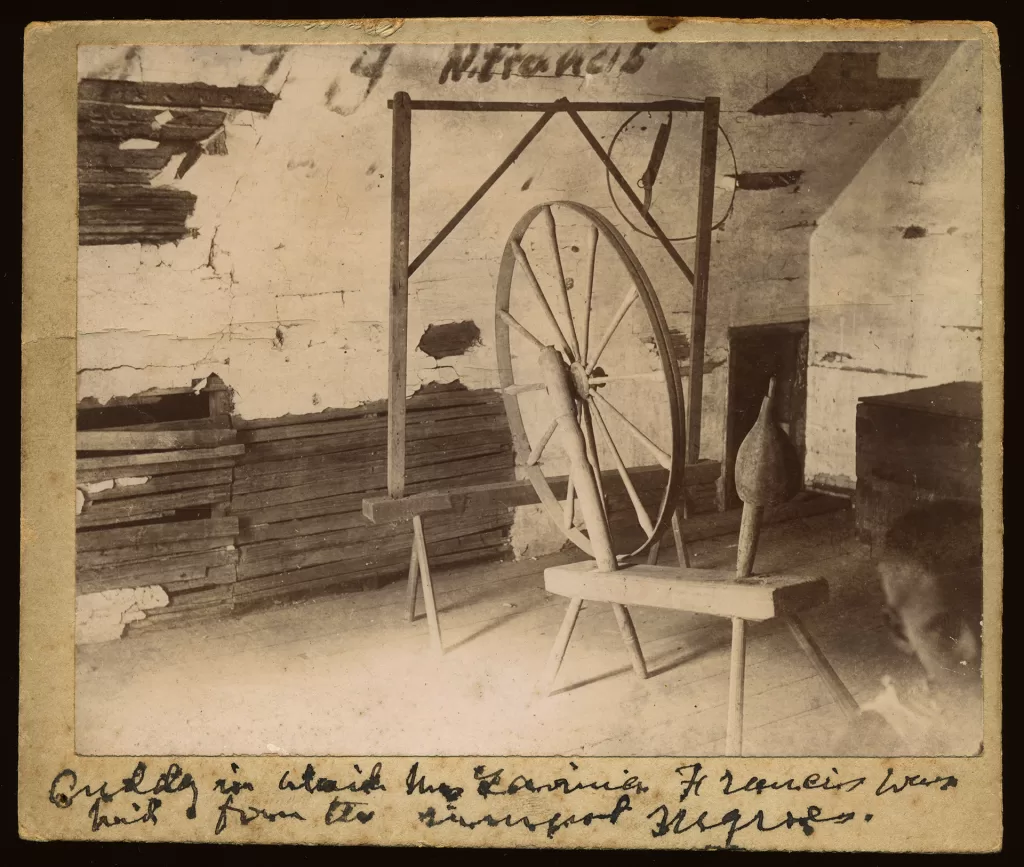
The eight-months-pregnant Luvenia, now lucid after passing out in the cubby while hiding from the insurgents, came downstairs. She
saw that two female chattel slaves were going through her clothes. One of them, a young girl named Charlotte, lunged at Mrs. Francis with a knife only to be stopped by Luvenia’s lifelong servant Easter. Nelson then took Luvenia off in the woods toward the Travis place.
1831
August 22 1831 – 8:00 AM
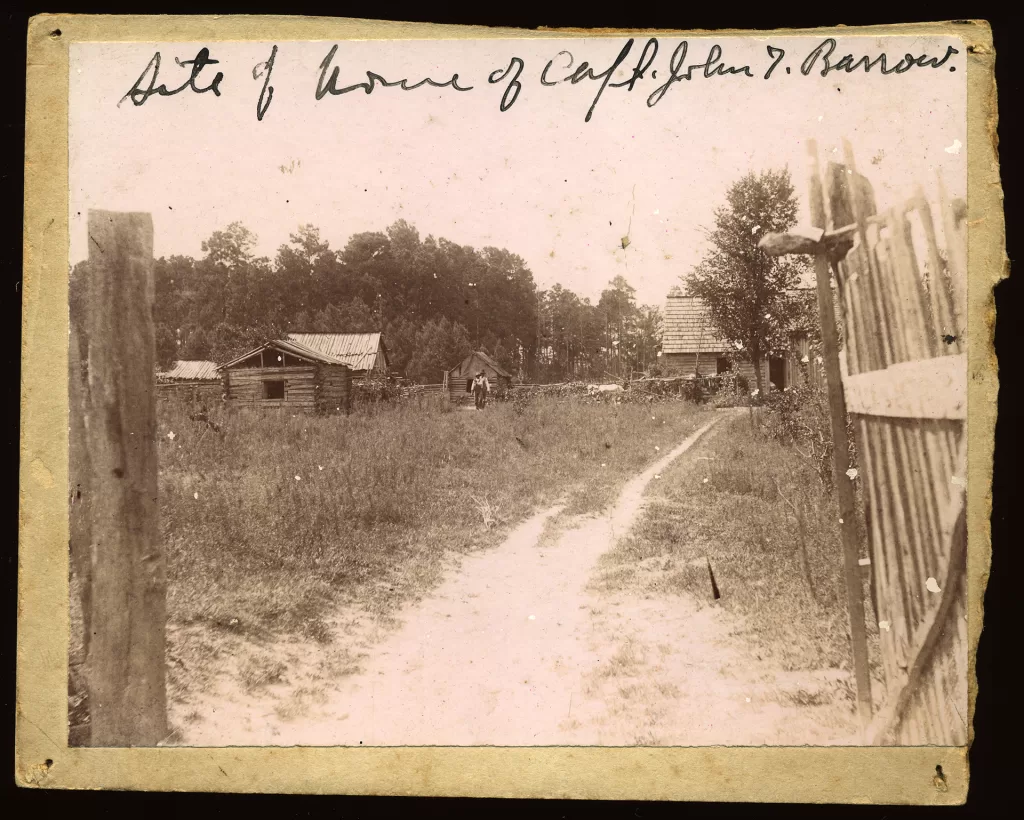
Turner arrived at the home of Captain John Barrow. Captain
Barrow had been warned of the approach of the insurrectionists by an enslaved person. Barrow discounted this and then became truly aware of the danger when Mr. Drewry Bittle arrived and confirmed the news. The captain urged his wife to flee; however, she delayed. Barrow was killed while making a furious defense so that his wife and child could
escape.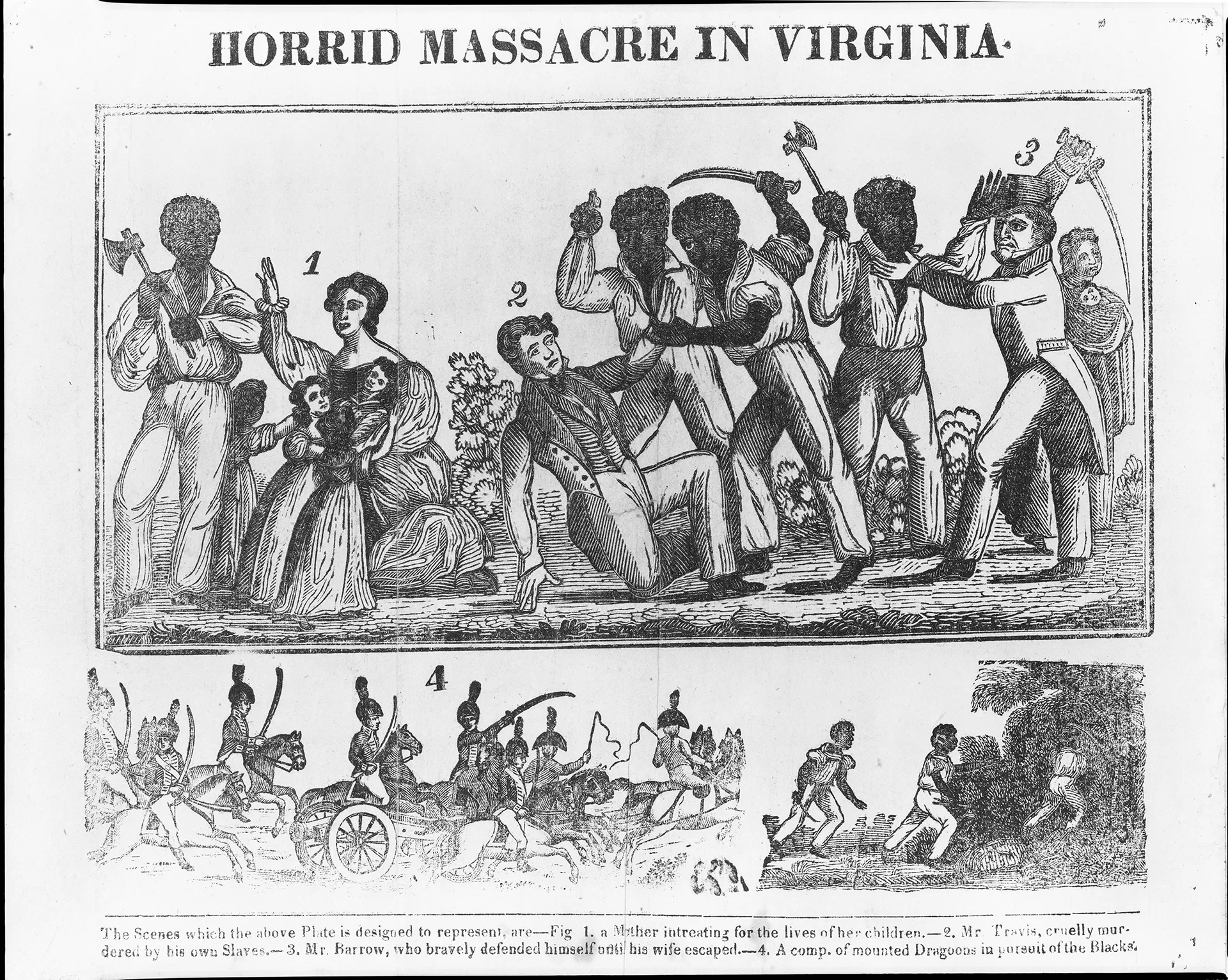
1831
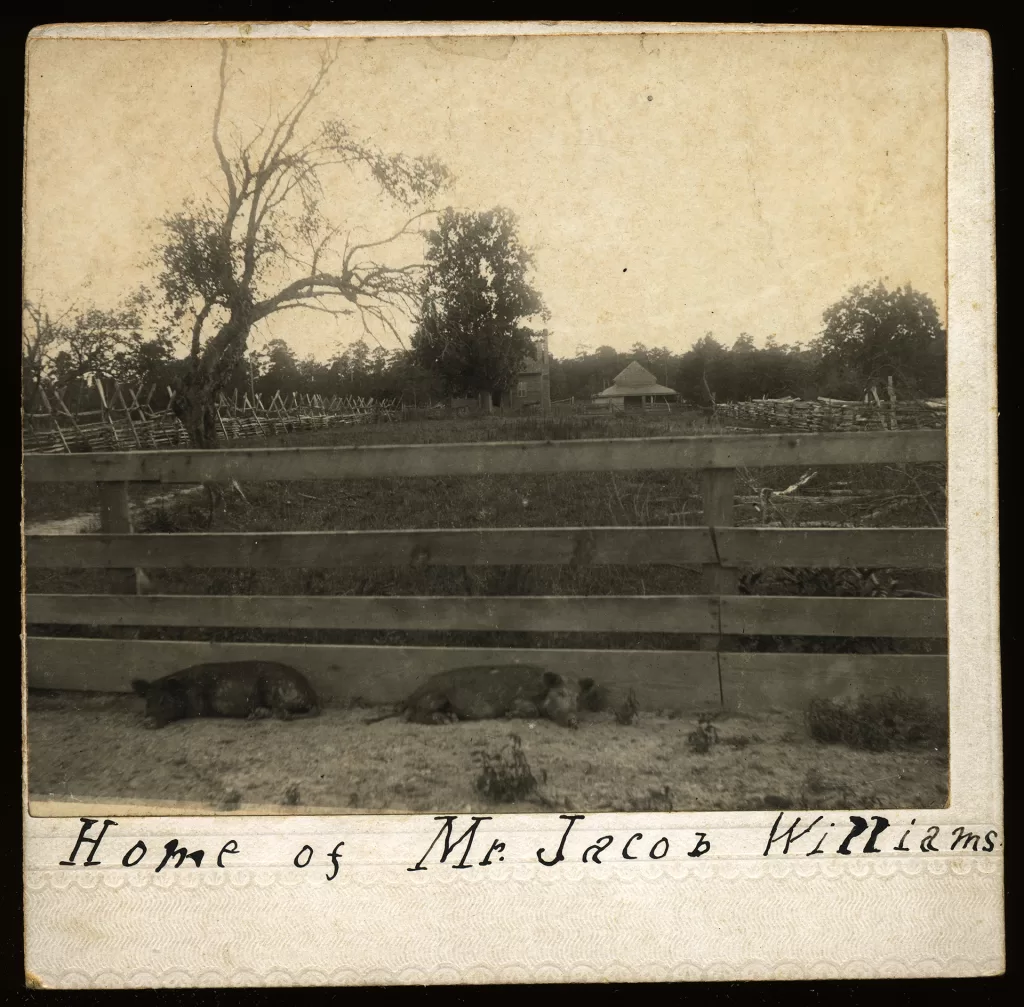
August 22 1831 – 11:40 AM
Nat Turner’s followers reached the home of Jacob Williams. There they killed Mrs. Williams, three of her children, Mrs. Caswell Worrell, wife of the overseer, her two children, and a visitor, Edward Drewry.
1831
August 22 1831 – 12:00 PM
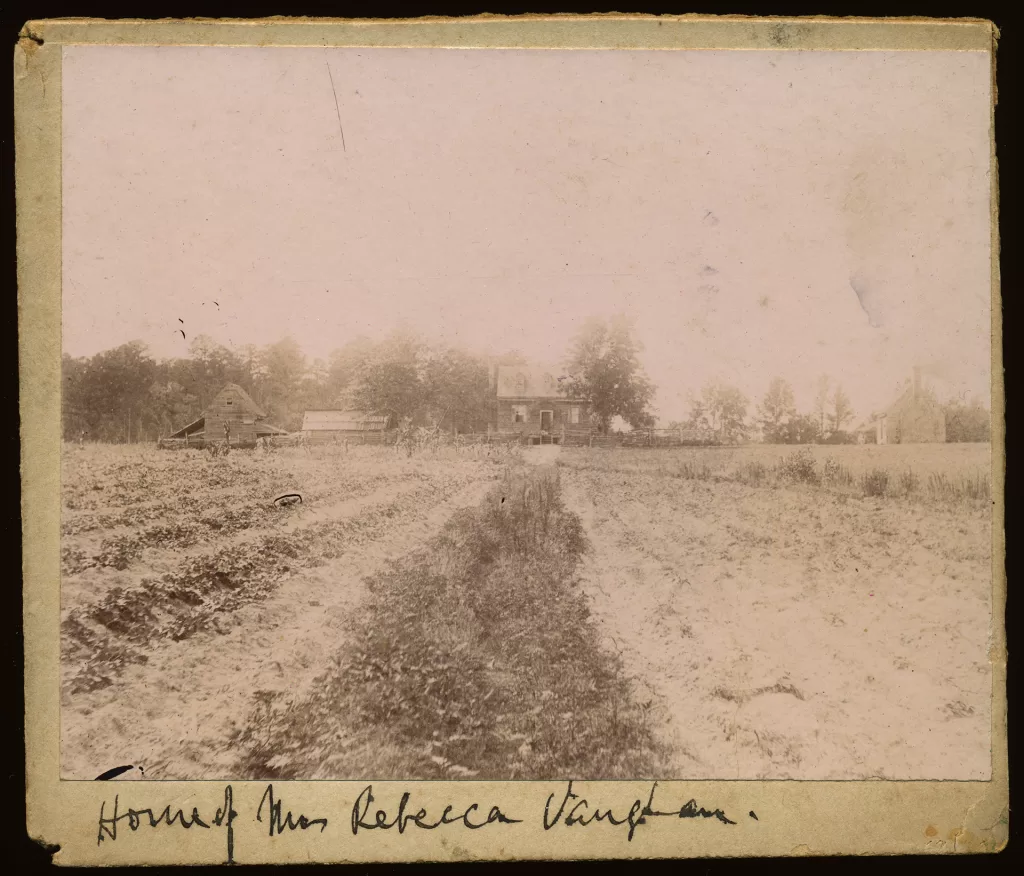
The group reached the home of Mrs. Rebecca Vaughan. The
insurgents had already killed George Vaughan while he was
riding to the Barrow House to pick up his sister and meet fox
hunters. Then they quickly set upon the house and killed
Rebecca, her son Arthur, the overseer, and her niece Anna
Eliza Vaughan. Rebecca Vaughan was actually
allowed to go upstairs so she could pray for her salvation before being killed. At this time, Nat Turner reported that he had about 60 men, all armed and on horses.
1831
August 22 1831 – 12:30 PM
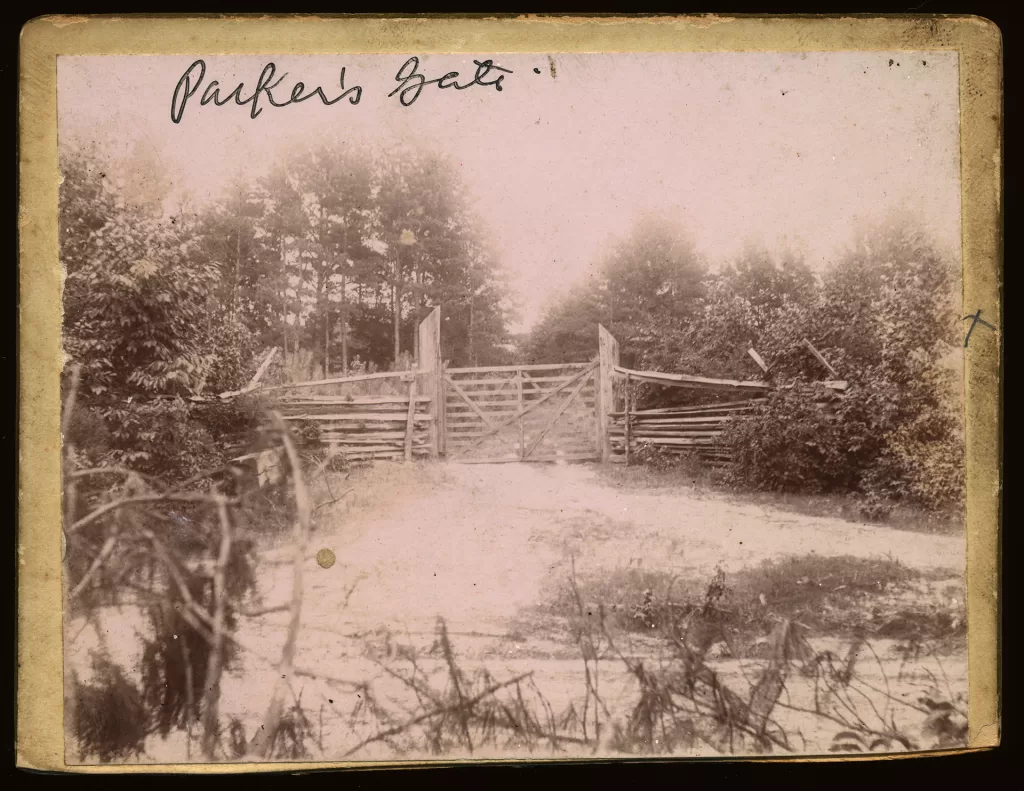
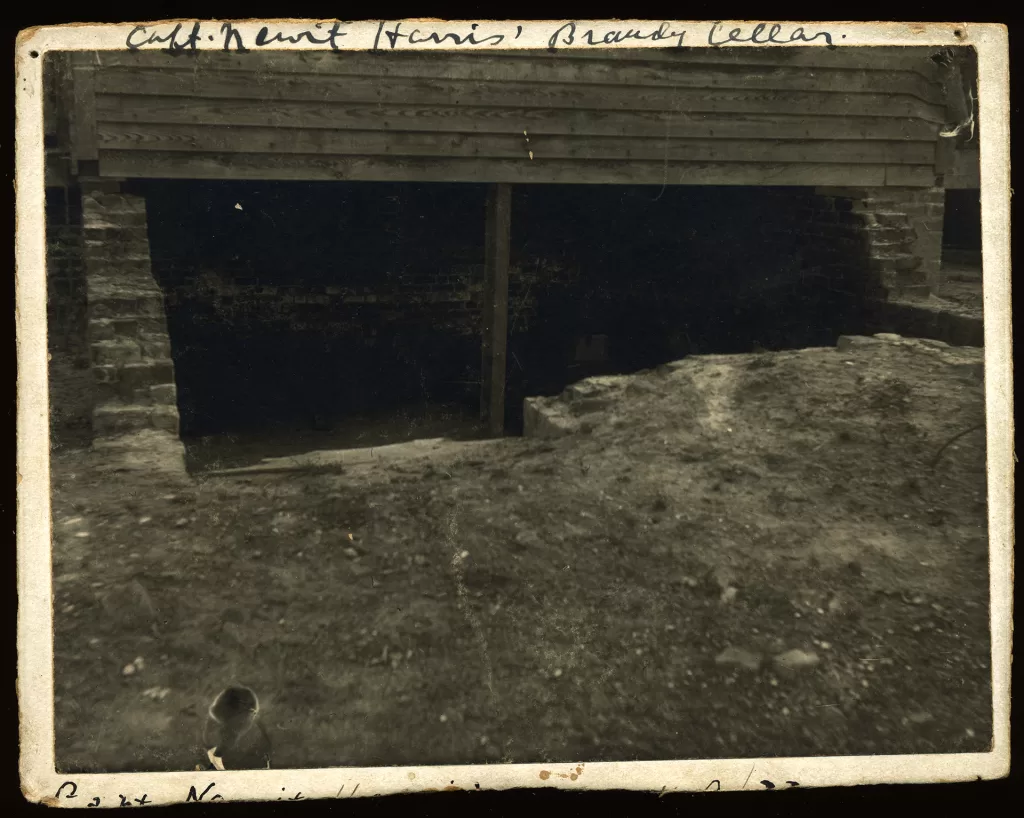
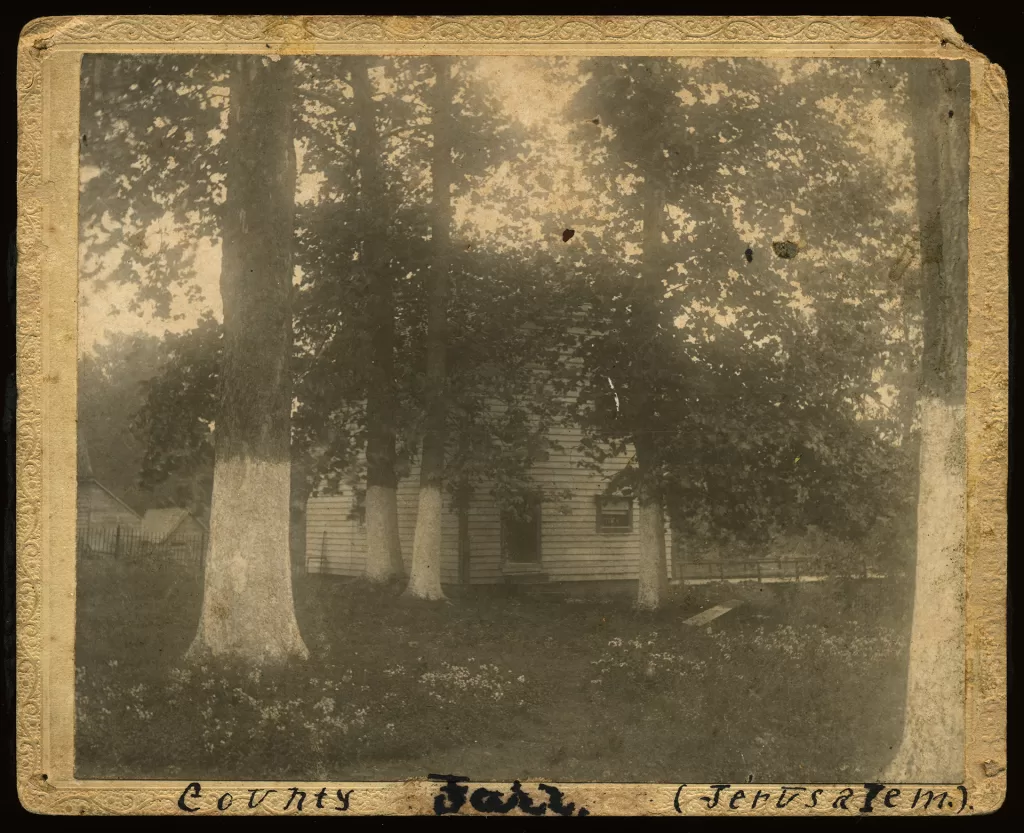
While marching toward Jerusalem, they stopped at the James T. Parker Farm. A few guards were left at the gate and the rest went up to the house. Instead of recruiting more followers, they drank brandy, and several passed out.
1831
August 22 1831 – 12:45 PM
Turner goes to the Parker House where he finds his men
disorganized due to heavy drinking. He reorganizes them.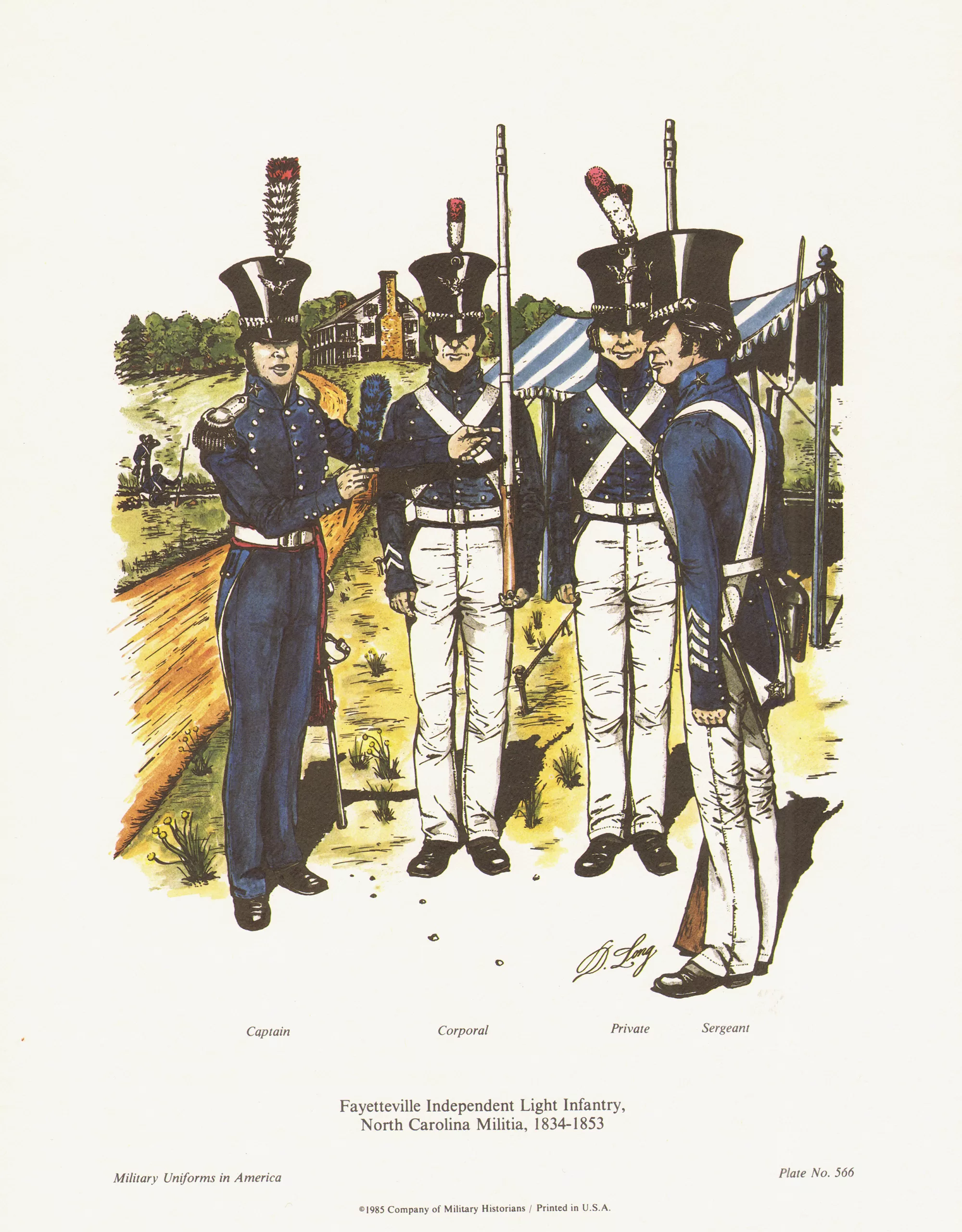
Militia units from Southampton County and Greensville County, North Carolina, began arriving to track down the
insurrectionists.
1831
August 22 1831 – 1:00 PM
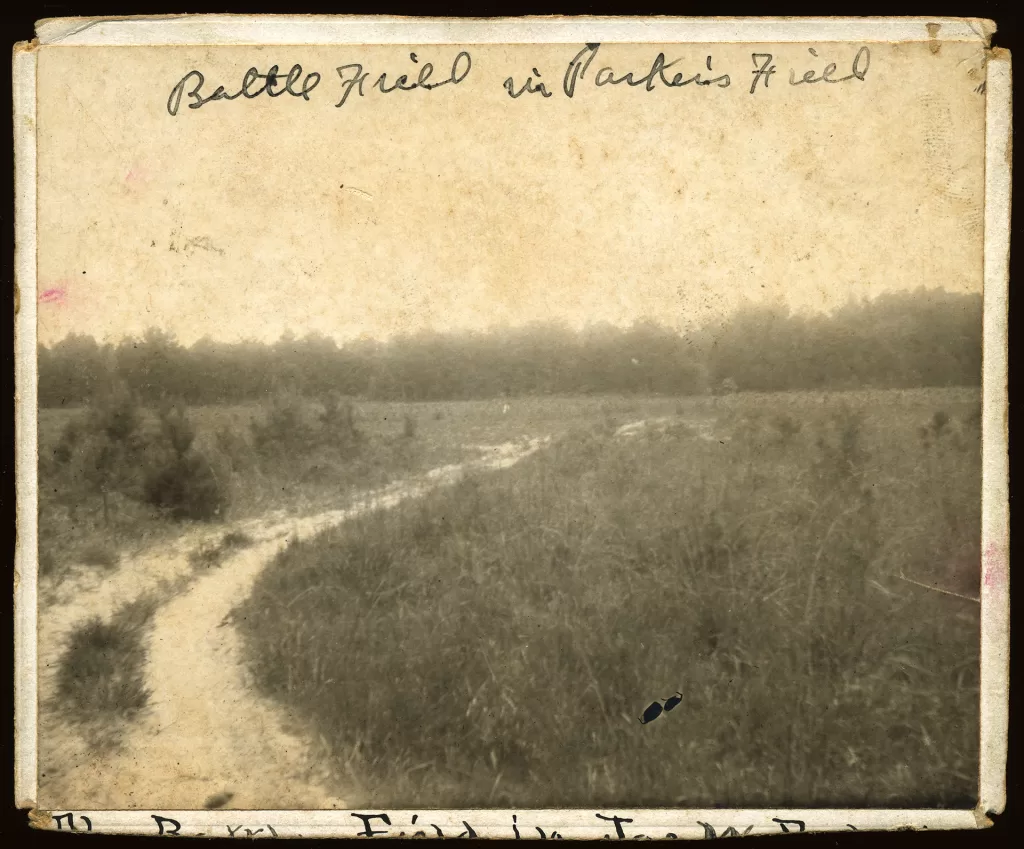
Guards at the gate were attacked by Southampton Militia and Turner’s followers became disorganized. Soon, Nat Turner, with the help of Will, Hark, and Nelson steadied his men. Then they had a brief skirmish in
‘Parker’s Field.’ Although the militiamen were initially repulsed, other militia units arrived on the field and the insurrectionists retreated.
1831
August 22 1831 – 2:30 PM
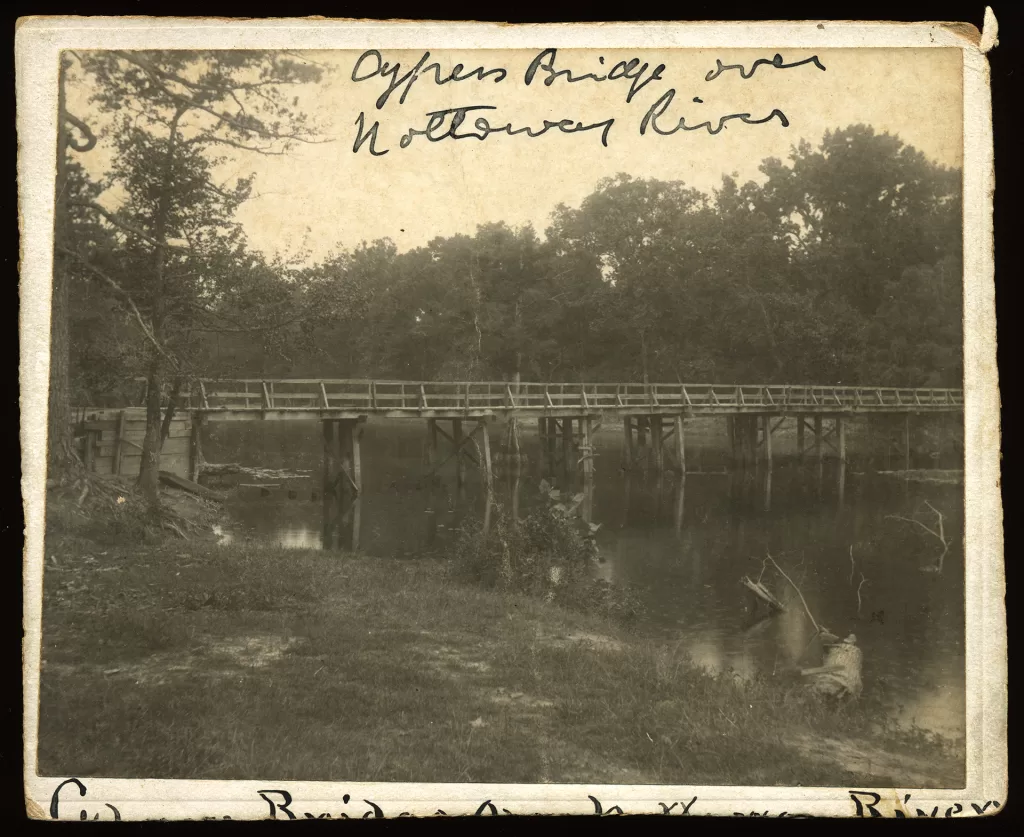
Realizing that the main bridge to Jerusalem was heavily
guarded, Turner’s diminished force marched toward Cypress
Bridge. There were too many militia guarding the bridge.
1831
August 22 1831 – 3:00 PM
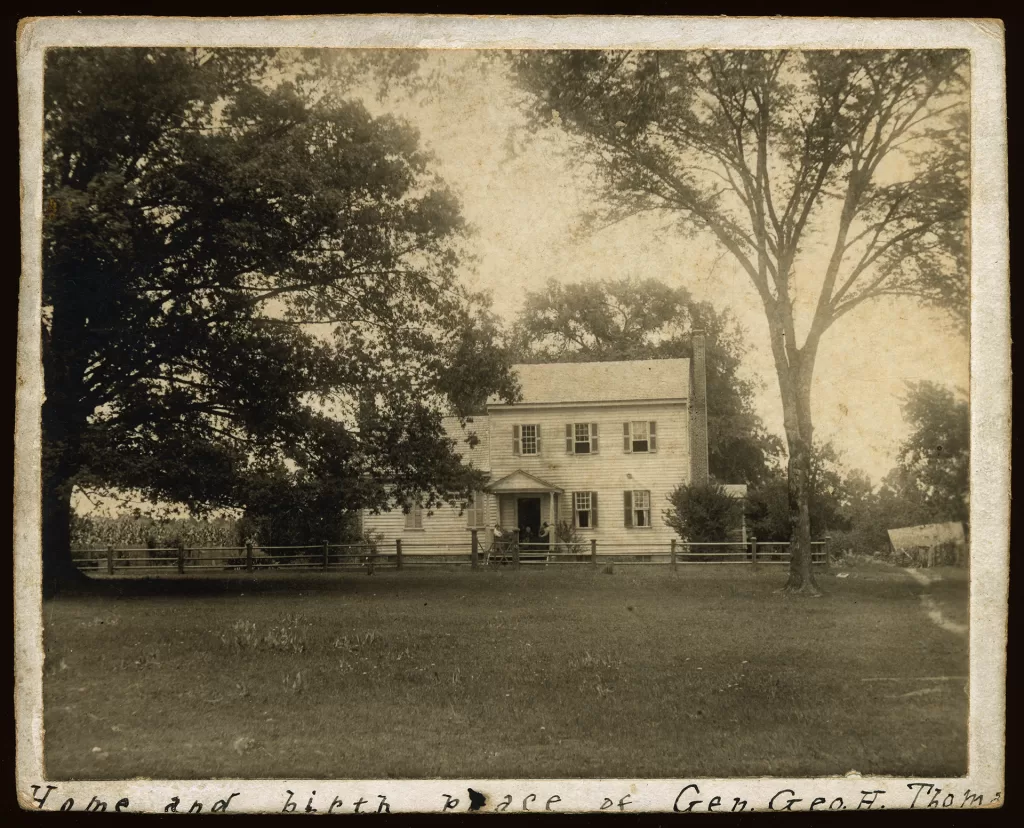
Turner turned his men southward for a few miles and then north. They passed several farms including Thomaston. George Thomas, then 13 years old, organized his family’s escape just steps ahead of Turner’s command.
1831
August 22 1831 – 6:00 PM
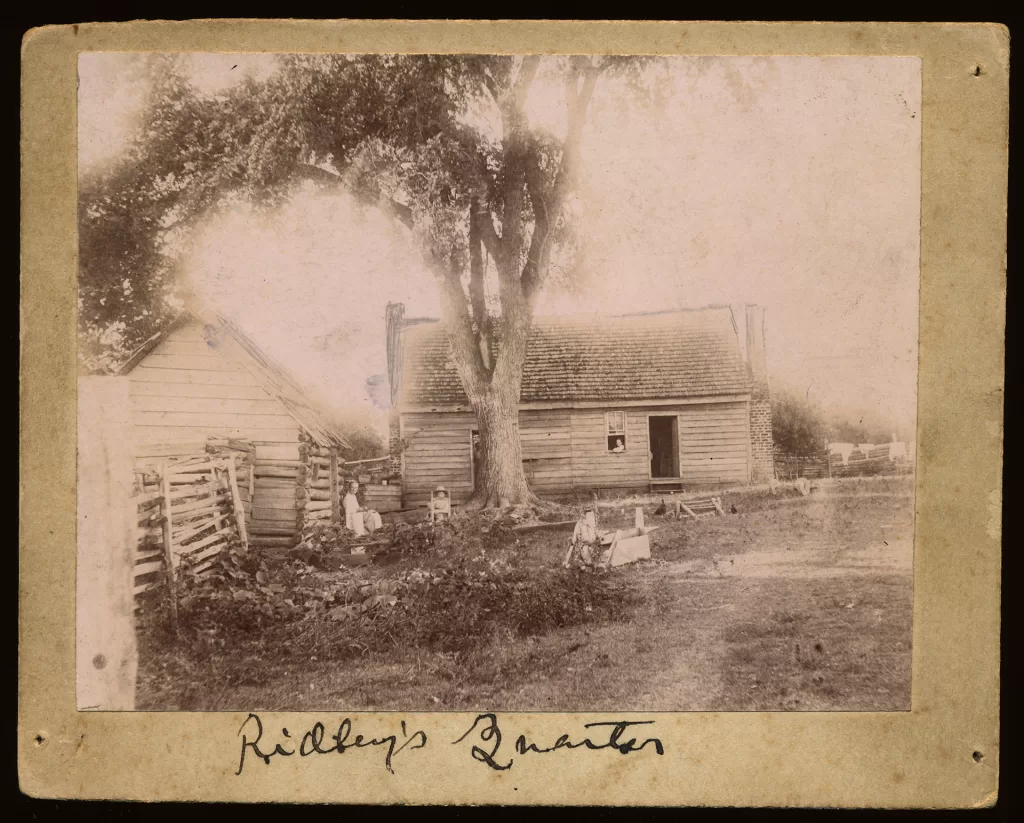
Turner’s command was reduced to 40 men and they spent the night at Ridley’s Quarter. Confusion during the night prompted many of Turner’s men to run away.
1831
August 23 1831 – 6:15 AM
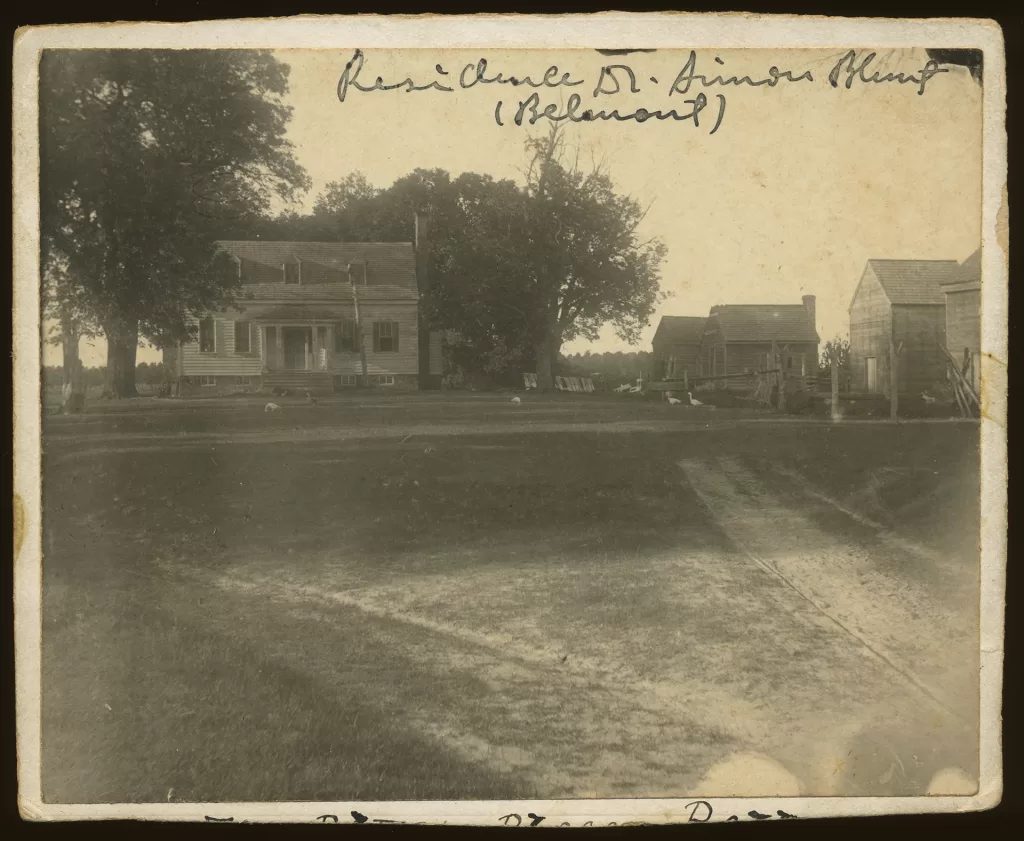
Turner attacked Dr. Simon Blunt’s farm and was defeated by Blunt’s family, the overseer, two neighbors, and Blunt’s slaves. One of Turner’s primary lieutenants, Hark, is critically wounded during this brief engagement.
1831
August 24 1831
General Eppes organizes a strong force including Virginia militia, US Army and Navy contingents to patrol the countryside and capture
those who were thought to be involved and sometimes brutally kill insurgents. As the soldiers went through the country and visited
some of the sites where Turner’s men had visited and killed many enslavers, James Hampden Pleasants, a member of Harrison’s
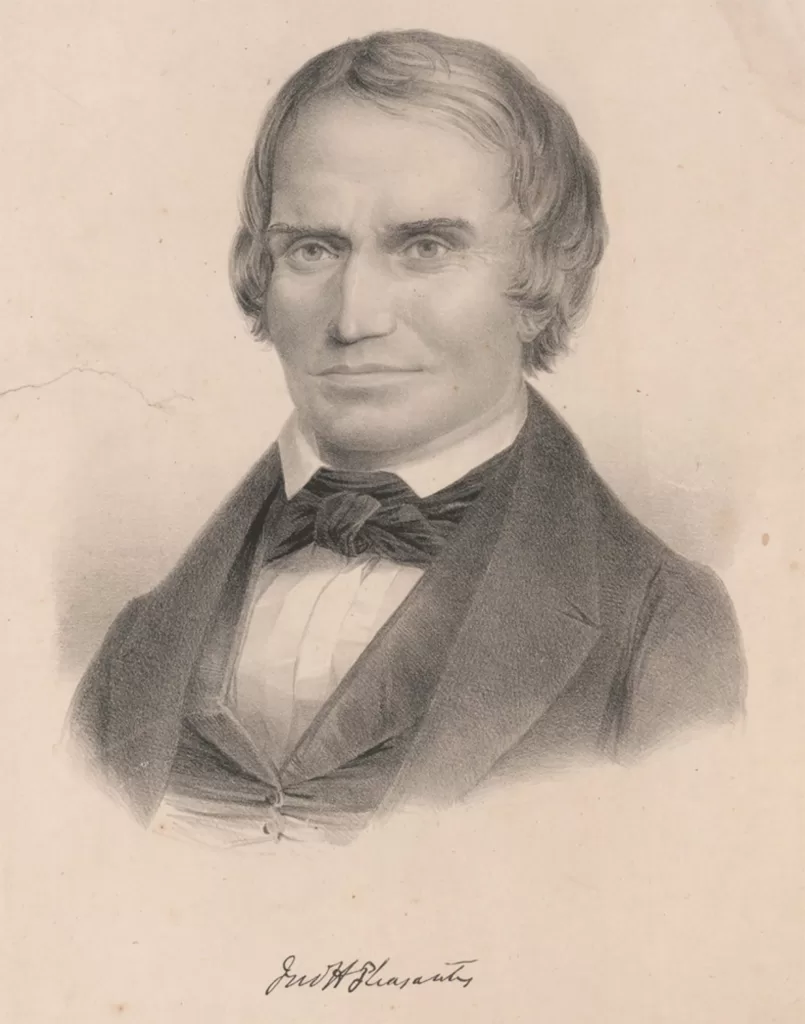
Cavalry Troop and editor of the Constitutional Whig, wrote about the atrocities committed by the insurgents as he found “whole families, fathers, mothers, daughters, sons, sucking babies, school children, butchered, thrown into heaps and left to be devoured by hogs and
dogs or to putrefy on the spot.” These scenes prompted the militia units to seek revenge.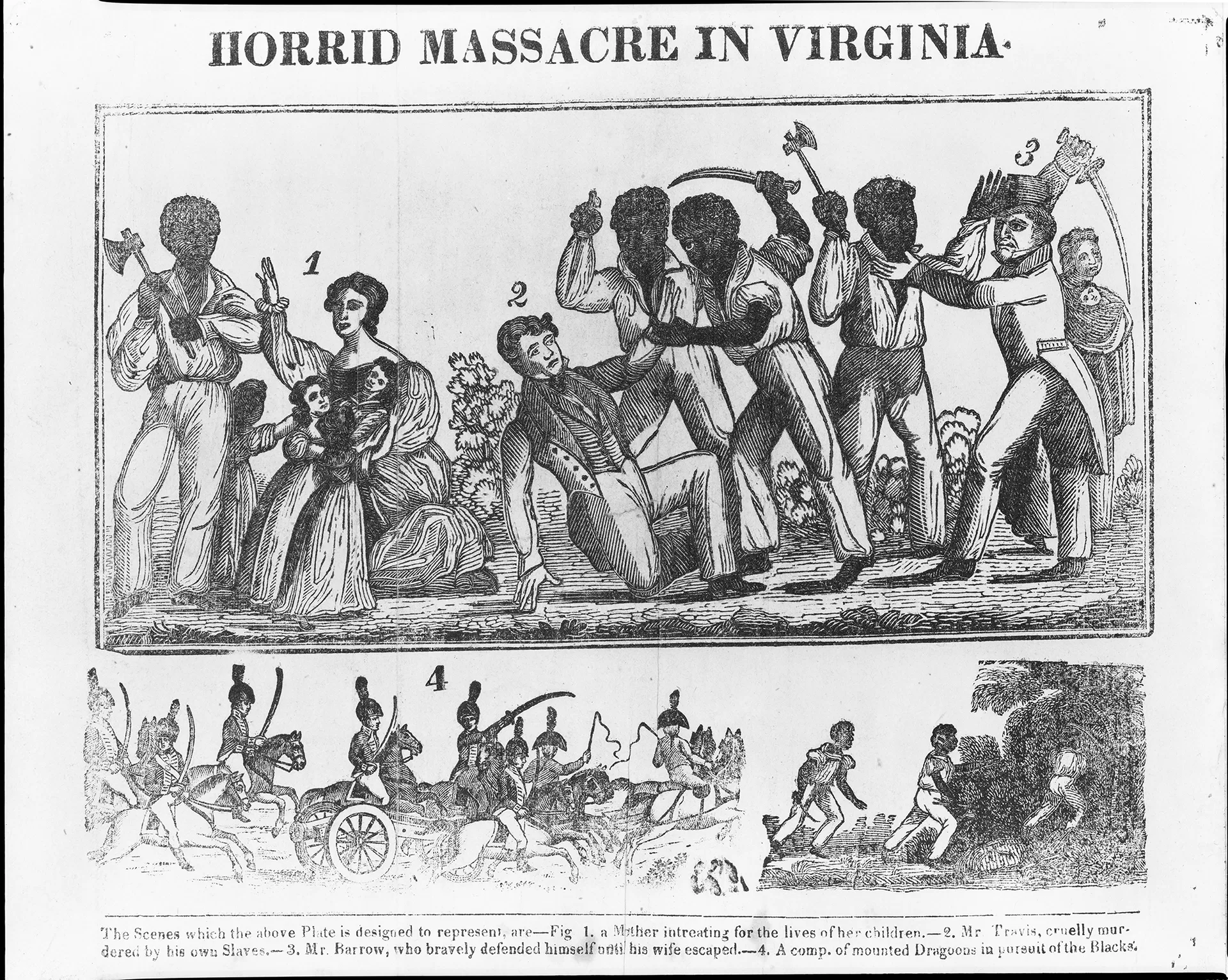
Even though “General” Nat was nowhere to be found, several free Blacks who had supported the insurrection still endeavored to revive it. Billy Artis, along with Benjamin and Thomas Haithcock went to
several farms striving to recruit new followers; however, no slave would join the rebellion as militia men appeared everywhere. Thomas Haithcock was soon captured. Billy Artis refused to surrender and the militia found him dead with his hat on a stake and pistol by his side.
Federal forces, Lt. Col. William Worth, three companies from Fort Monroe sent by Col. Robert House, and a naval contingent organized
by Commodore Lewis Warrington and led by Commodore Stephen
Elliot of USS Natchez, arrived. Marines and bluejackets were gathered from USS Warren and USS Natchez. They traveled by steamer, the packet Hampton, to Suffolk. Governor John Floyd dispatched more militia units and weapons to Southampton.
1831
August 28 1831
Brigadier General Richard Eppes orders members of the Virginia militia to end the excesses made against the “negro population or face military justice.”
1831
October 30 1831 – 12:00 noon
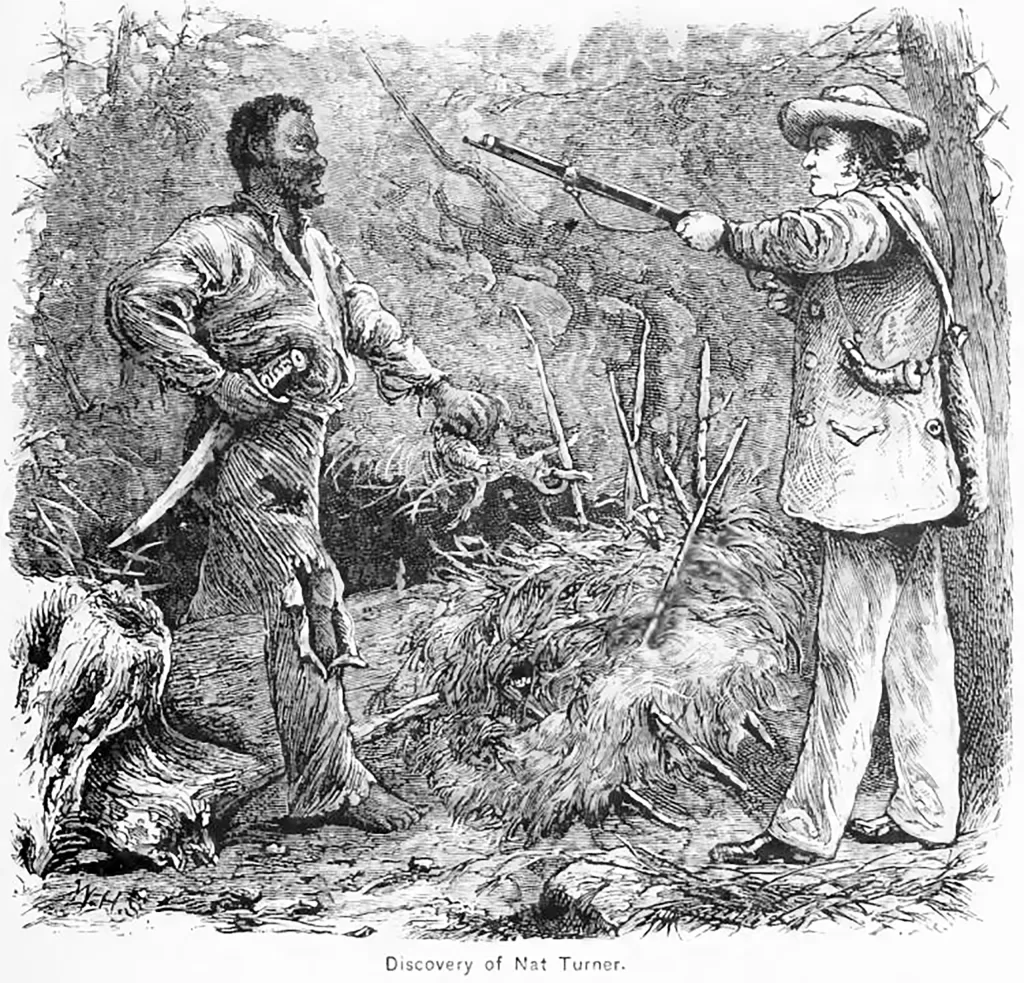
Nat Turner was captured by Benjamin Phipps.
1831
October 31 1831
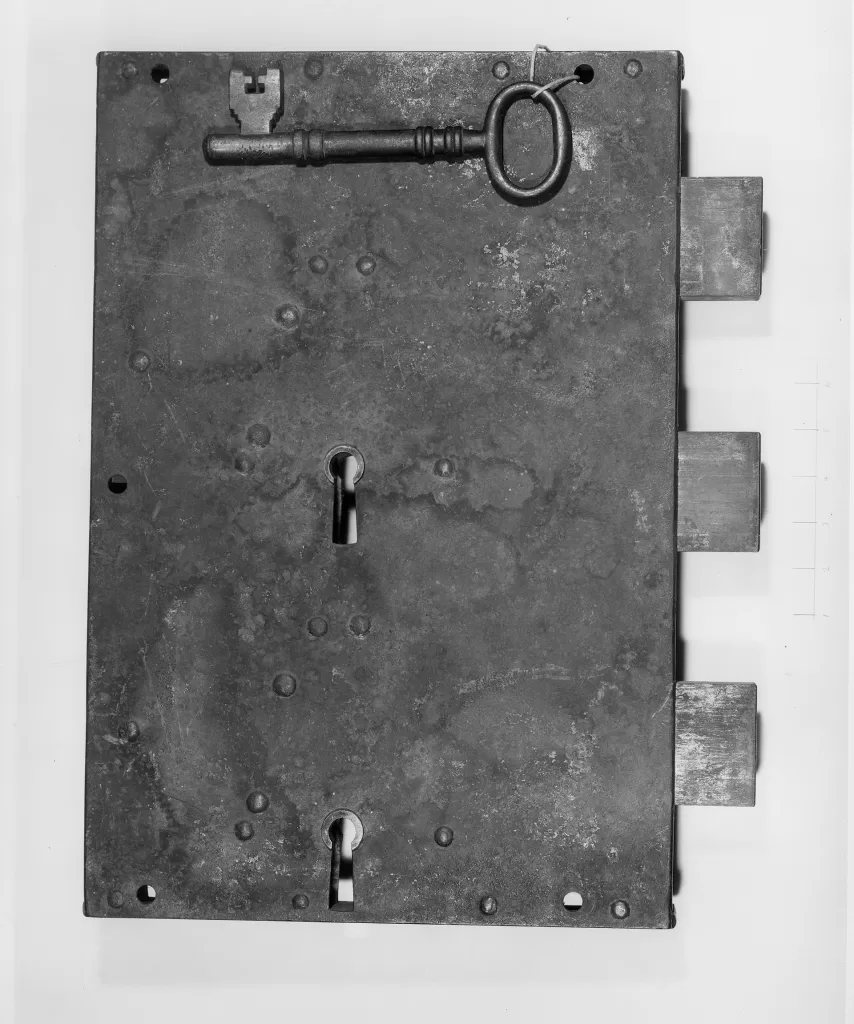
Nat Turner surrendered by Phipps to Edward Butts, Deputy Sheriff of Southampton County and placed in the county jail.
1831
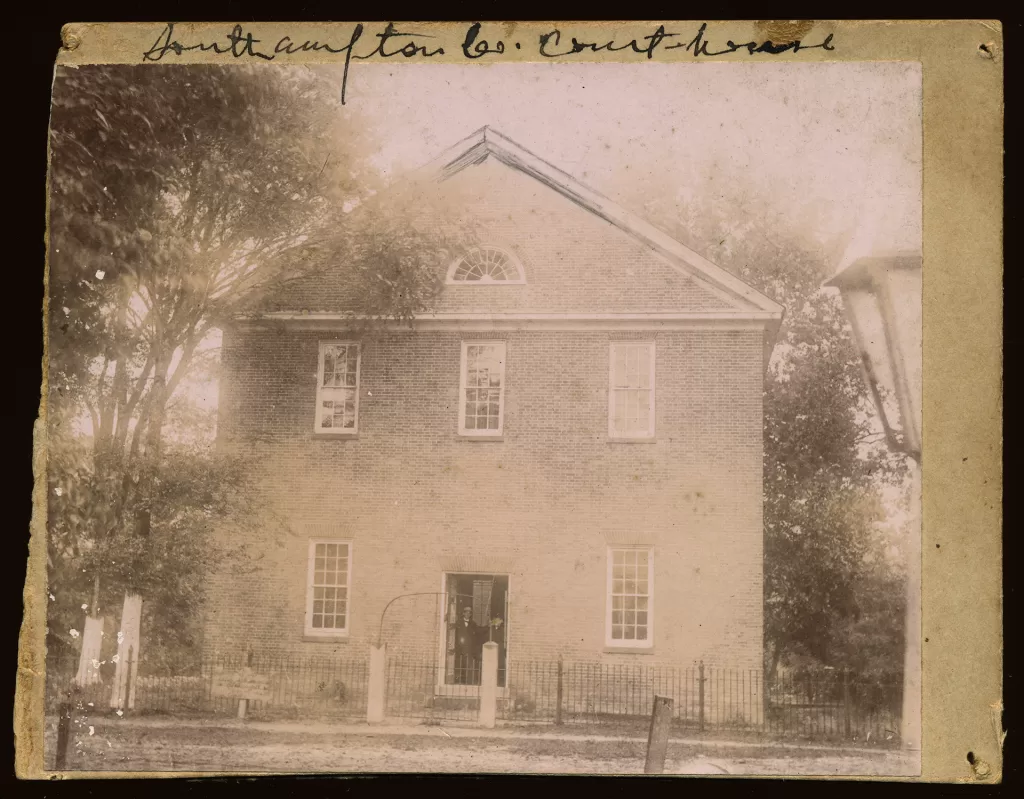
November 3 1831
Gov. Floyd receives news of Nat Turner’s capture.
1831
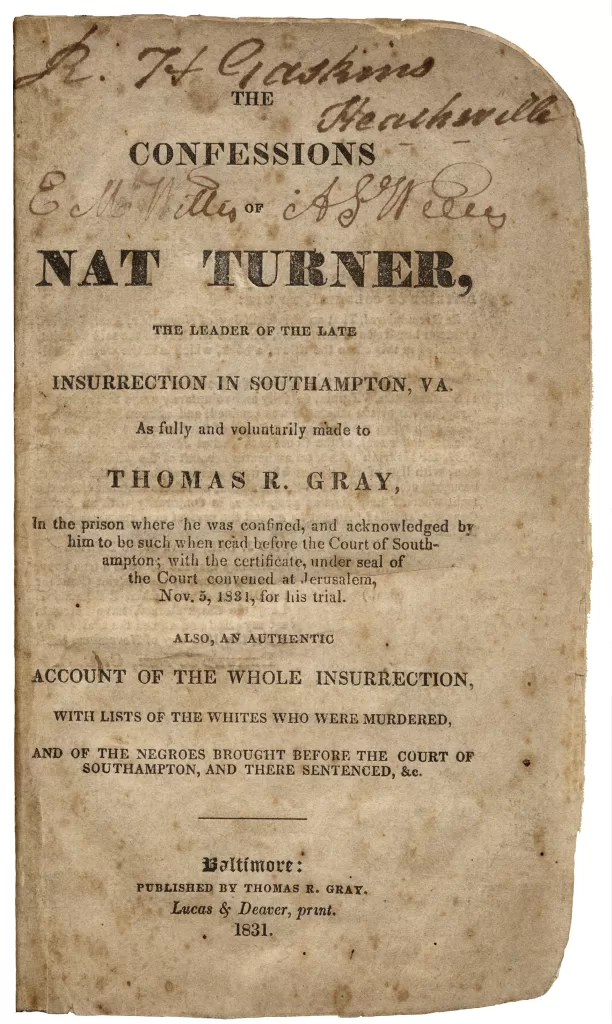
November 10 1831
Thomas Gray has The Confessions of Nat Turner copyrighted by Edward J. Lee, Clerk of the District of Columbia.
1831
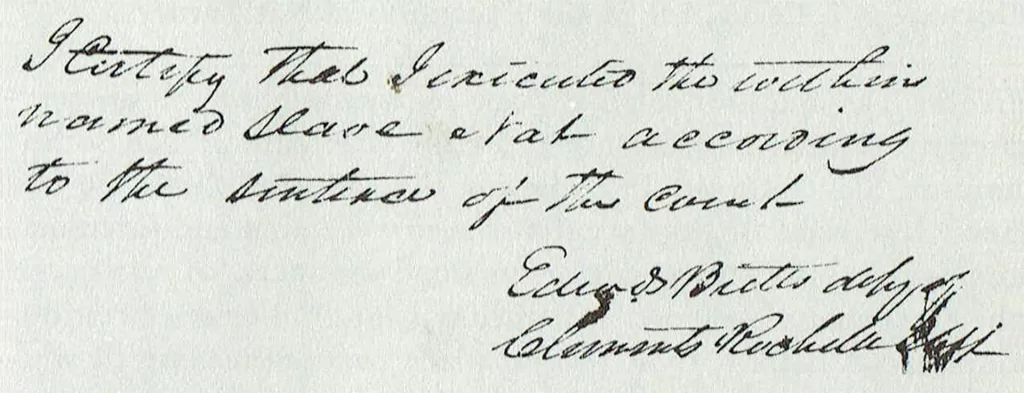
November 11 1831 – 12:00 noon
Nat Turner was executed by hanging, by Deputy Sheriff Edward Butts.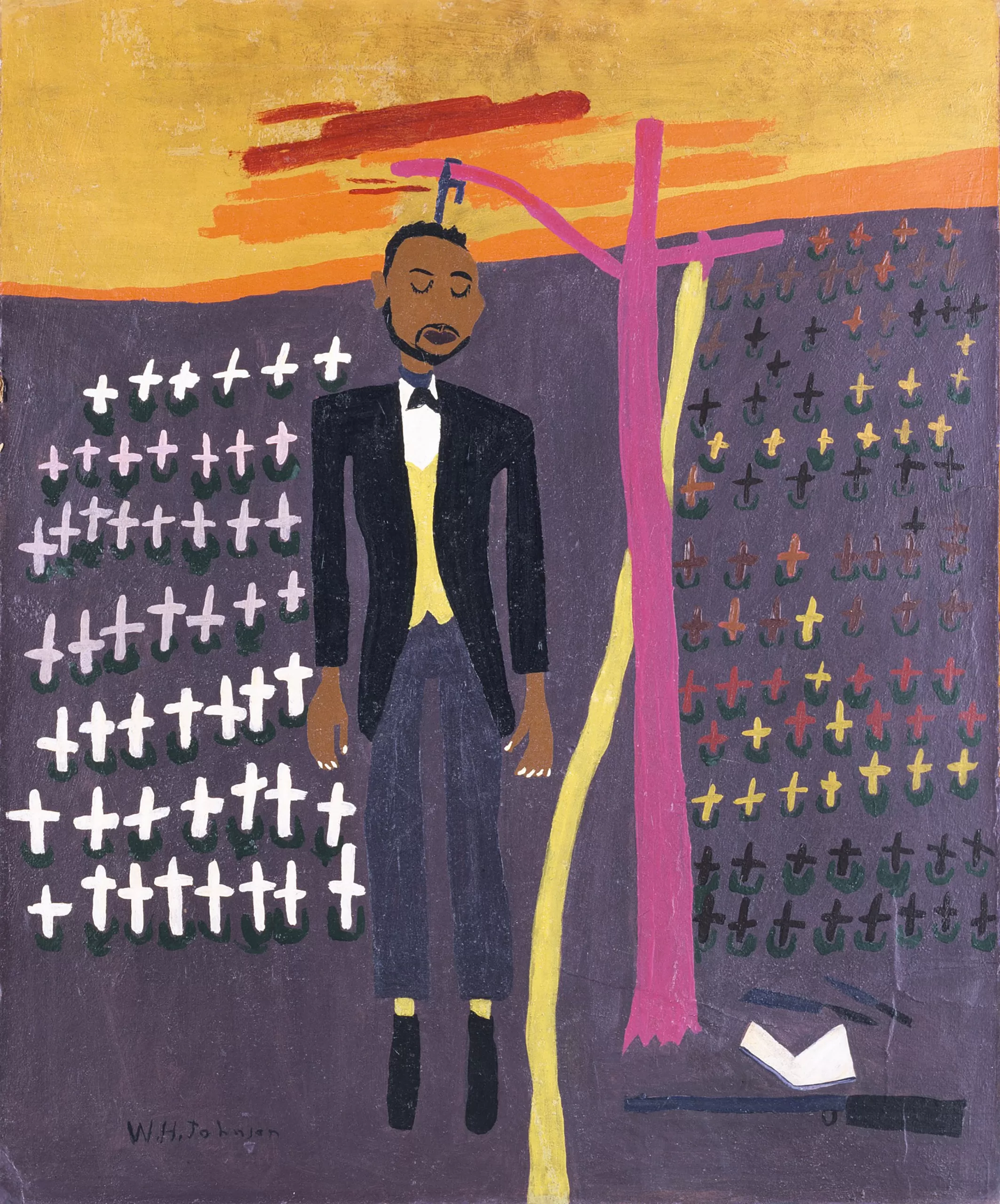
1831
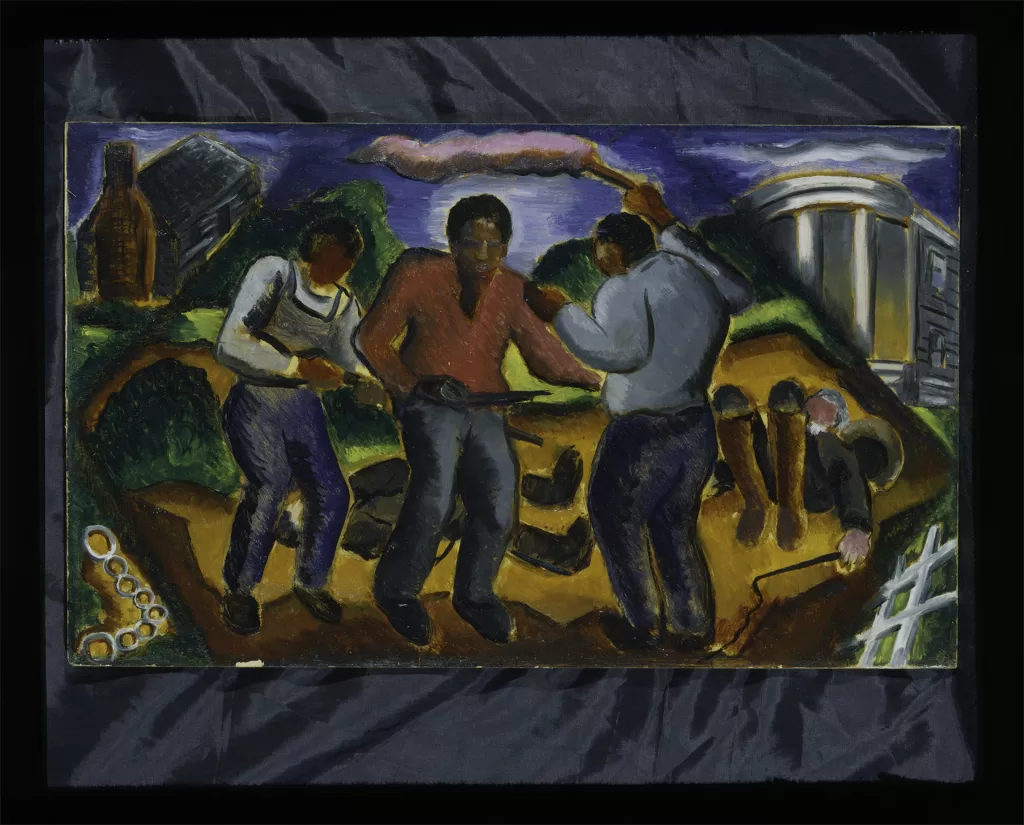
November 21 1831
The final trial of an enslaved person accused of being involved with the Insurrection occurs. Ben, who was the 50th enslaved person tried since the beginning of the court cases, was found guilty of insurrection. The estate of his enslaver, Benjamin Blunt, was
reimbursed $400. Governor Floyd wrote in his diary, “There are still demands for arms in the lower country. I could not have believed there was half the fear amongst the people of the lower country in respect to their slaves. Before I leave this Government, I will have contrived to have a law gradually abolishing slavery in the State, or at all events to begin the work by prohibiting slavery on the West side of the Blue Ridge Mountains.”